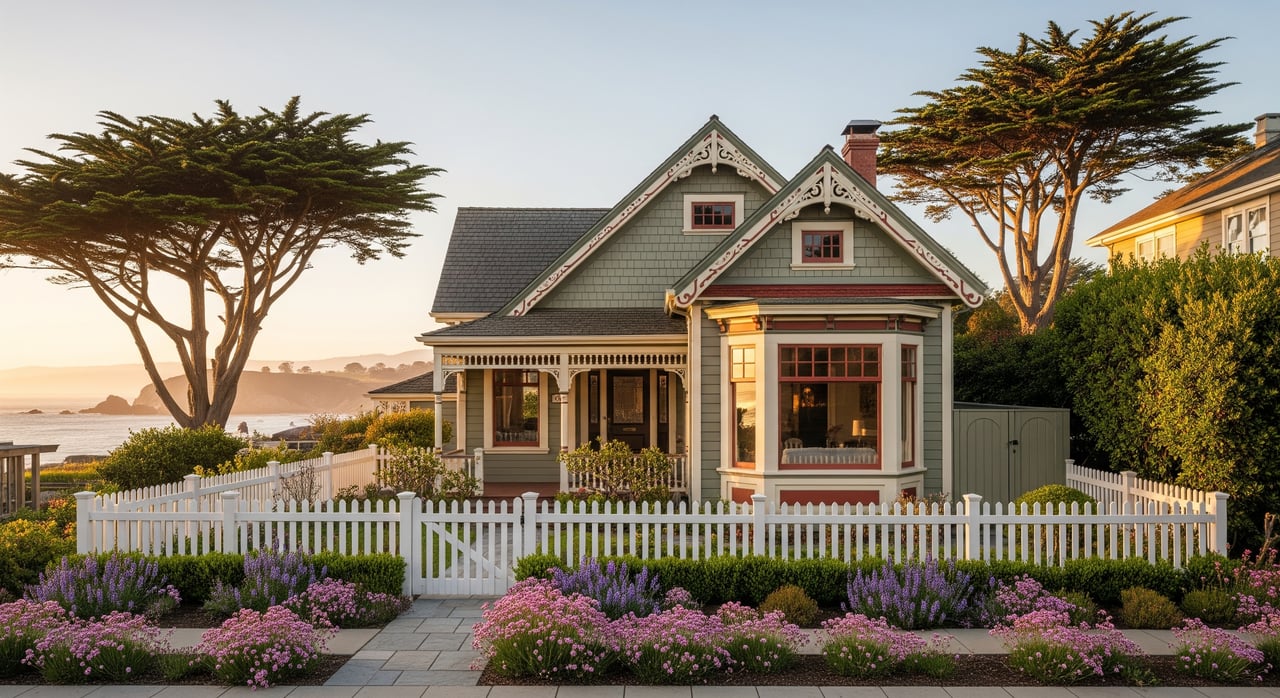
Is that storybook cottage a Victorian or a Craftsman? In Pacific Grove, it can be hard to tell at a glance. You want to understand what you are looking at, whether you are house hunting, planning updates, or preparing to sell. This visual guide explains the defining features of local home styles, what to watch for in a coastal climate, and how to photograph your home so its character shines. Let’s dive in.
Why Pacific Grove looks this way
Pacific Grove grew up in the late 1800s along the Monterey Peninsula, so you see a high number of Victorian-era cottages and larger homes, followed by early 20th-century Craftsman and bungalows. Later decades added Spanish Revival, Monterey style, and mid-century homes. Local historic preservation programs help protect original details in many neighborhoods, especially near the shoreline.
The coastal setting also shapes what you see. Older areas close to Monterey Bay often have smaller lots and narrow streets. Many homes are oriented for light and views, and almost all face salt air, wind, and moisture that affect materials and maintenance.
How to spot common home styles
Victorian and Queen Anne
- Typical era: Late 1800s to very early 1900s.
- Quick ID cues: Asymmetrical façades, steep and complex rooflines, occasional turrets, wraparound porches, decorative gingerbread trim, patterned wood siding, and sometimes stained glass.
- Buyer and seller notes: Painted wood siding and ornate millwork are character-defining. In historic areas, exterior changes may require review, so plan ahead for paint, porch, and window projects.
Carpenter Gothic and Coastal Cottage
- Typical era: Late 1800s to early 1900s.
- Quick ID cues: Small scale, steep gables, simple sash windows or pointed-arch hints, modest ornament, and front porches on compact footprints.
- Buyer and seller notes: Scale and simplicity are central to charm. When repairing siding or trim, match original profiles to keep the look consistent.
Craftsman
- Typical era: 1905 to 1930s.
- Quick ID cues: Low-pitched gables, wide overhanging eaves, exposed rafter tails, tapered porch columns on masonry or stone piers, and heavy wood trim. Interiors often feature built-ins and open rooms.
- Buyer and seller notes: Porch structures and exposed rafters can weather faster near the ocean. Look closely for rot and plan careful repairs that protect original detailing.
Bungalows
- Typical era: 1910s to 1930s.
- Quick ID cues: One or one-and-a-half stories, a front porch under the main roof, broad eaves, simple lines, and efficient floor plans.
- Buyer and seller notes: Easy to modernize inside, but porch and roof details are key to curb appeal. Keep those intact during updates.
Spanish Revival and Mediterranean
- Typical era: 1915 to 1940s.
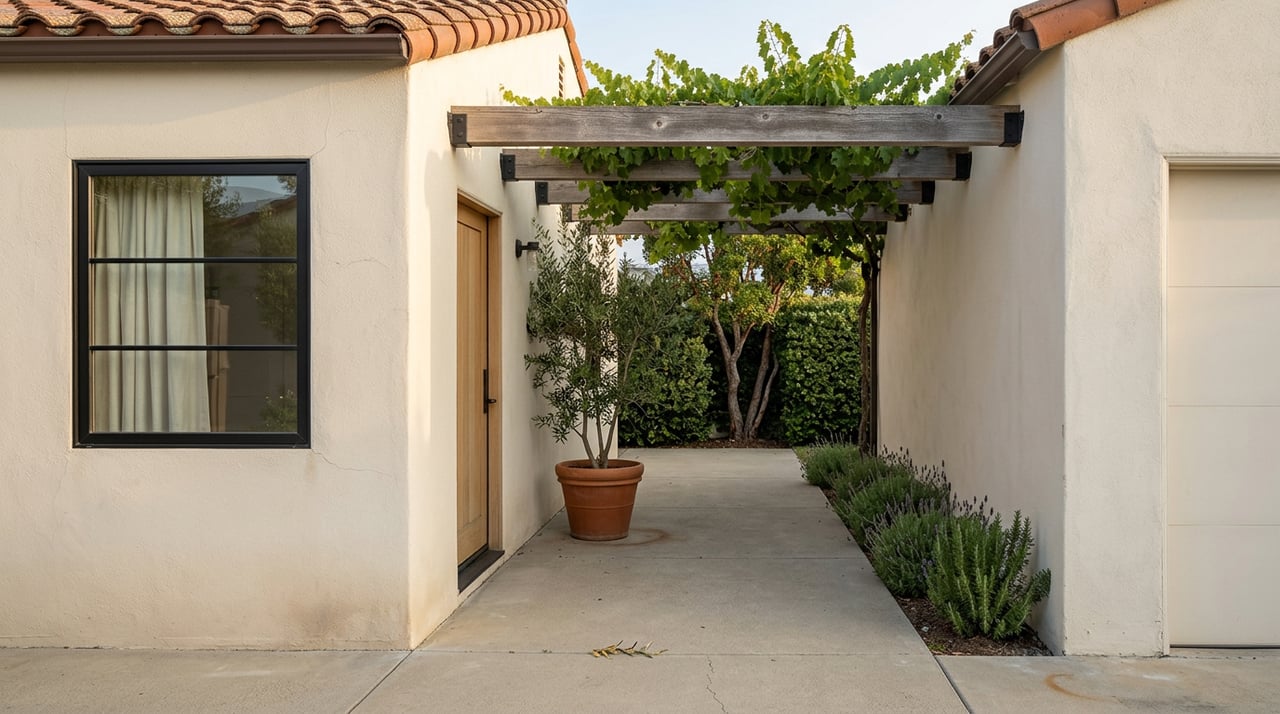
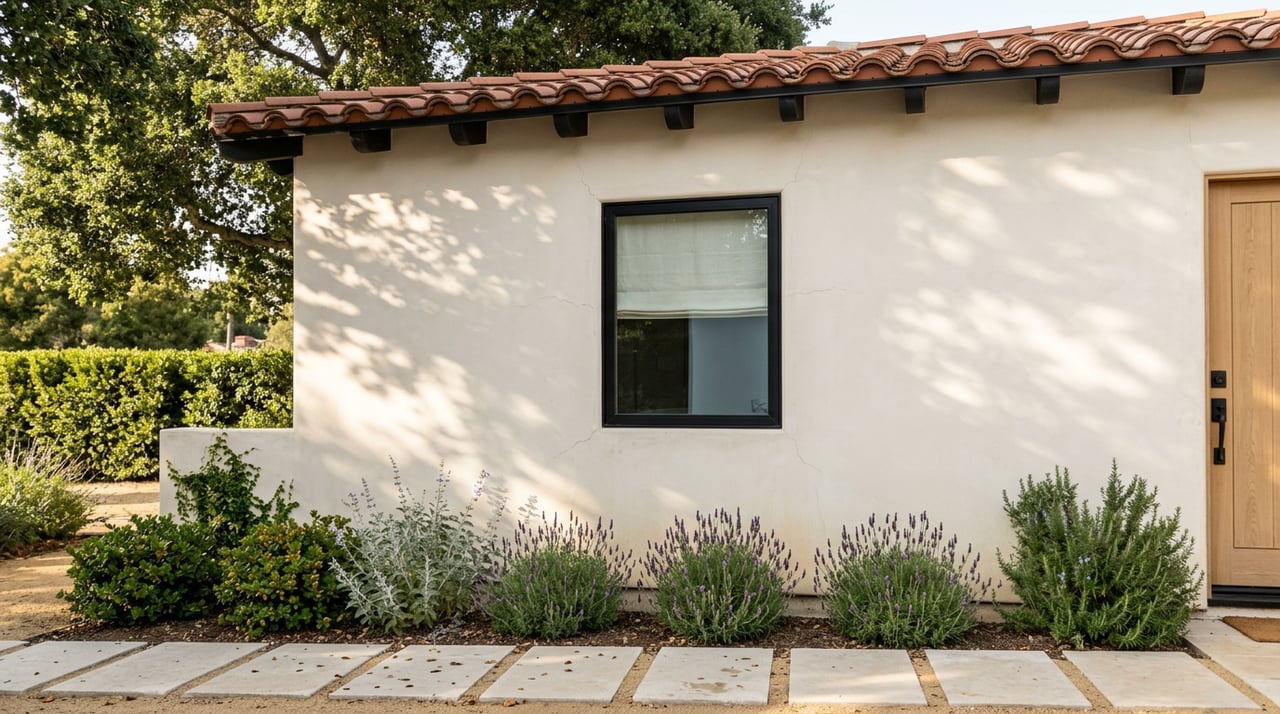
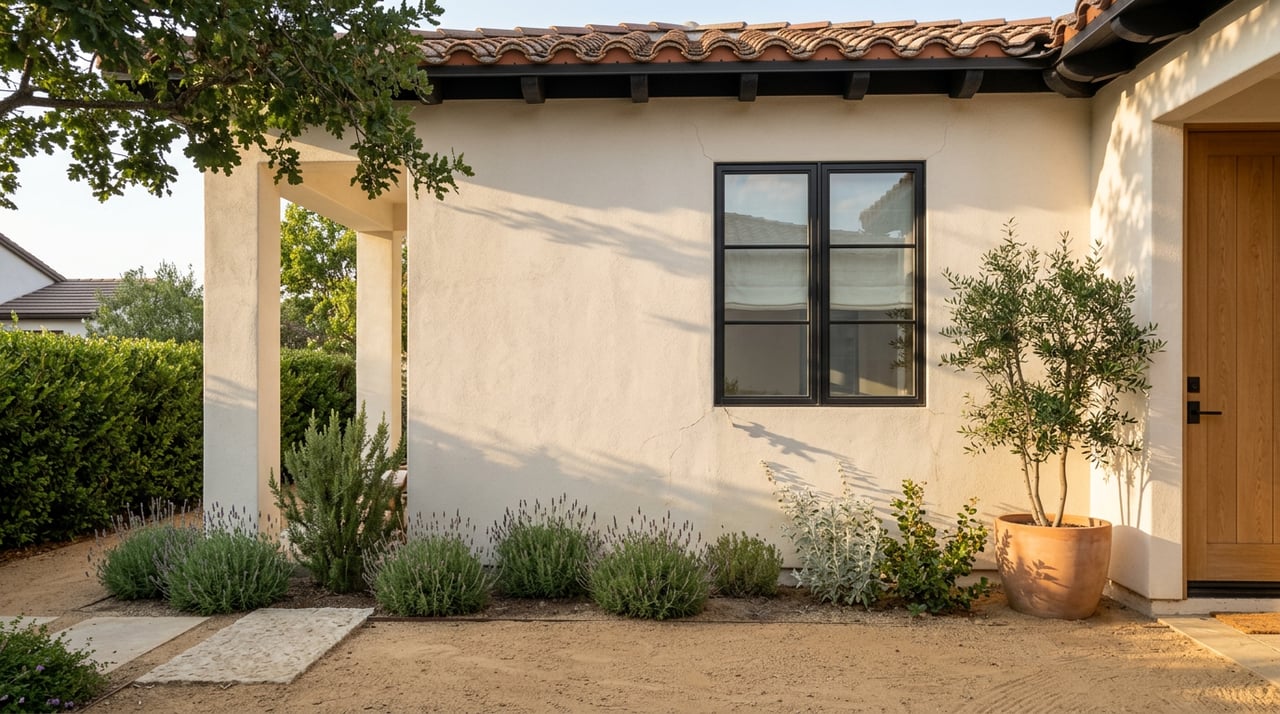
- Quick ID cues: Smooth stucco walls, red clay tile roofs, arches at windows and doors, wrought-iron accents, and small courtyards or recessed porches.
- Buyer and seller notes: Stucco and clay tile repairs are specialized. Original tile and arched openings are major character features worth preserving.
Monterey style
- Typical era: Origin in the 19th century with later revival examples.
- Quick ID cues: Two stories with a second-floor balcony across the façade, hip or gabled roofs, and simple massing that blends Spanish colonial and New England influences.
- Buyer and seller notes: Balcony structure and railings merit close inspection in coastal weather. Maintain proportions to keep the classic profile.
Mid-century Modern
- Typical era: 1940s to 1960s.
- Quick ID cues: Low or flat roofs, big horizontal windows, indoor-outdoor connections, open plans, and minimal ornament.
- Buyer and seller notes: Window patterns define the style. If you upgrade glazing for comfort, consider options that keep the original rhythm and sightlines.
Contemporary and infill
- Typical era: 1980s to present.
- Quick ID cues: Varied forms and materials, sometimes echoing local cottage or shingle traditions. On small lots, additions can be more vertical.
- Buyer and seller notes: In historic neighborhoods, design review may apply. Prioritize compatibility with nearby homes for a smoother process.
Coastal maintenance and value notes
Pacific Grove’s marine climate accelerates wear. Salt air can shorten paint life, rust metals, and invite rot, especially on porches, railings, and window sills. Plan for more frequent repainting, diligent caulking, and regular checks of gutters and flashing to prevent moisture intrusion.
Older wood-frame homes may predate modern seismic codes. Ask inspectors to evaluate foundations, cripple walls, and sill anchorage. Chimneys and attached porches often need bracing. Seismic retrofits can add safety and help with insurability.
For comfort and efficiency, insulation, heating and cooling upgrades, and sensitive window improvements can make a big difference. In historic homes, look for reversible solutions such as interior storm panels and repair of original sashes rather than full replacement.
Coastal proximity can influence insurance and disclosures. If a property sits on bluffs or very near the shoreline, review elevation, setbacks, and local coastal policies. Factor this into your due diligence timeline.
Historic character, proximity to the coast and downtown, and intact details like stained glass and millwork often draw strong interest. At the same time, small lots, deferred maintenance, or limits on exterior changes can affect plans for heavy modernization. Balance goals with neighborhood context for the best outcome.
Photographing your home like a pro
Strong visuals help buyers recognize and value your home’s style. Use this simple shot list and a few composition tips to showcase what makes your property special.
Essential shots
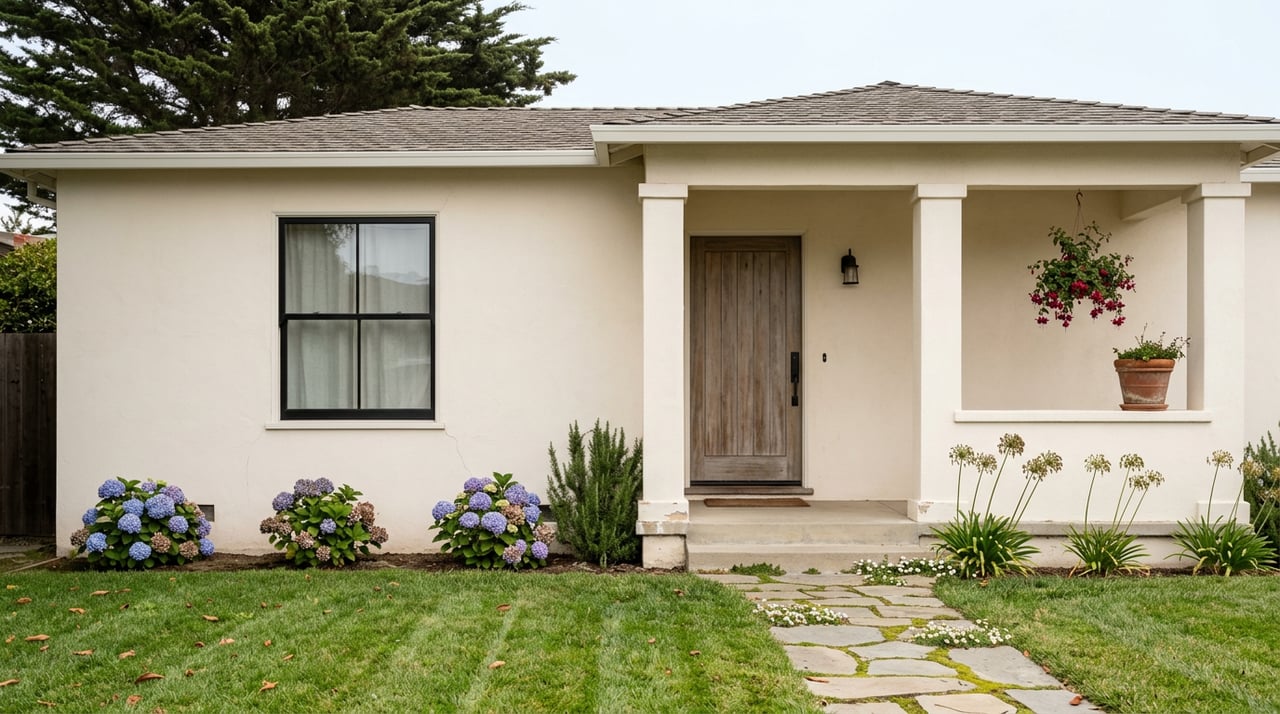
- Full-façade front shot to show massing and roofline.
- Three-quarter angle to reveal depth, porch form, and roof hips.
- Porch close-up that captures columns, railings, and decking.
- Trim and ornament details, such as gingerbread, brackets, or shingle patterns.
- Windows and doors, including bays, arches, and stained glass.
- Roof details, including tile profiles, dormers, and chimneys.
- Foundation and siding, showing wood profiles, stucco textures, or shingle types.
- Context shot of the street to convey setback and surrounding styles.
- Interior focal points, like Craftsman built-ins or original staircases.
- Aerial or elevated view, when available, to show lot and coastal orientation.
Composition and lighting tips
- Aim for early morning or late afternoon light for warm tones and soft shadows.
- Overcast days can be perfect for evenly showing detailed trim without harsh contrast.
- Keep vertical lines straight to avoid distorted proportions.
- Include a subtle scale reference, such as a person on the porch, to convey size.
- For style comparisons, use consistent framing across homes so differences stand out clearly.
Quick captions that educate
- Name the style and era, such as “Queen Anne Victorian, c. 1890–1910.”
- Point out two or three features viewers can spot in the photo.
- Note preservation cues when helpful, for example, “original clapboard and intact porch millwork.”
- Flag practical checks, such as “exposed rafter tails, monitor for rot in coastal weather.”
Permits and preservation in Pacific Grove
In parts of Pacific Grove, historic-designation overlays and review processes govern exterior changes that face the street. Routine maintenance is often exempt, but window, siding, porch, and roofline changes typically require approval. If a project is substantial and within the coastal zone, additional review may apply.
Before you plan work, confirm the current requirements with the City of Pacific Grove’s planning and historic preservation staff. Build time into your project schedule for reviews, especially if you are preparing to sell and want to complete updates ahead of listing.
Ready to market your style
When buyers understand your home’s architecture, they see value. Professional photography, thoughtful staging, and concise captions help people connect the dots fast. If you are considering upgrades before listing, targeted projects that protect original details while improving comfort can pay off in both presentation and buyer confidence.
You do not have to tackle it alone. From contractor coordination and staging to premium photo and video, our team can manage the process so you can focus on your move. If you are selling from out of town or handling an estate, we can streamline timelines and communication while honoring your goals.
Ready to showcase your home’s style with care and impact? Connect with the team at Homes by Henson to plan your next steps.
FAQs
How can I tell a Victorian from a Craftsman in Pacific Grove?
- Look for asymmetry, steep roofs, and ornate trim for Victorian; look for low-pitched gables, wide eaves with exposed rafters, and tapered porch columns for Craftsman.
Do Pacific Grove historic homes have rules for exterior changes?
- Many areas require review for visible exterior changes, especially windows, siding, porches, and rooflines; confirm current requirements with the city before planning work.
What maintenance is unique to seaside homes in Pacific Grove?
- Salt air speeds paint failure and rust, and wind-driven rain increases moisture risks; prioritize paint, caulking, flashing, gutters, and checks for rot at porches and sills.
Are there extra insurance or coastal risk factors near Monterey Bay?
- Yes, coastal proximity can affect coverage and disclosures; review elevation, bluff setbacks, and local coastal policies during due diligence.
How can I update a historic home for efficiency without losing character?
- Choose reversible, preservation-sensitive upgrades like added insulation, efficient heating and cooling, interior storm windows, and repair of original sashes.
What photos best highlight my home’s style for a listing?
- Start with a straight-on façade, a three-quarter angle, porch and trim details, window and roof close-ups, and a street-context shot to tell a complete visual story.