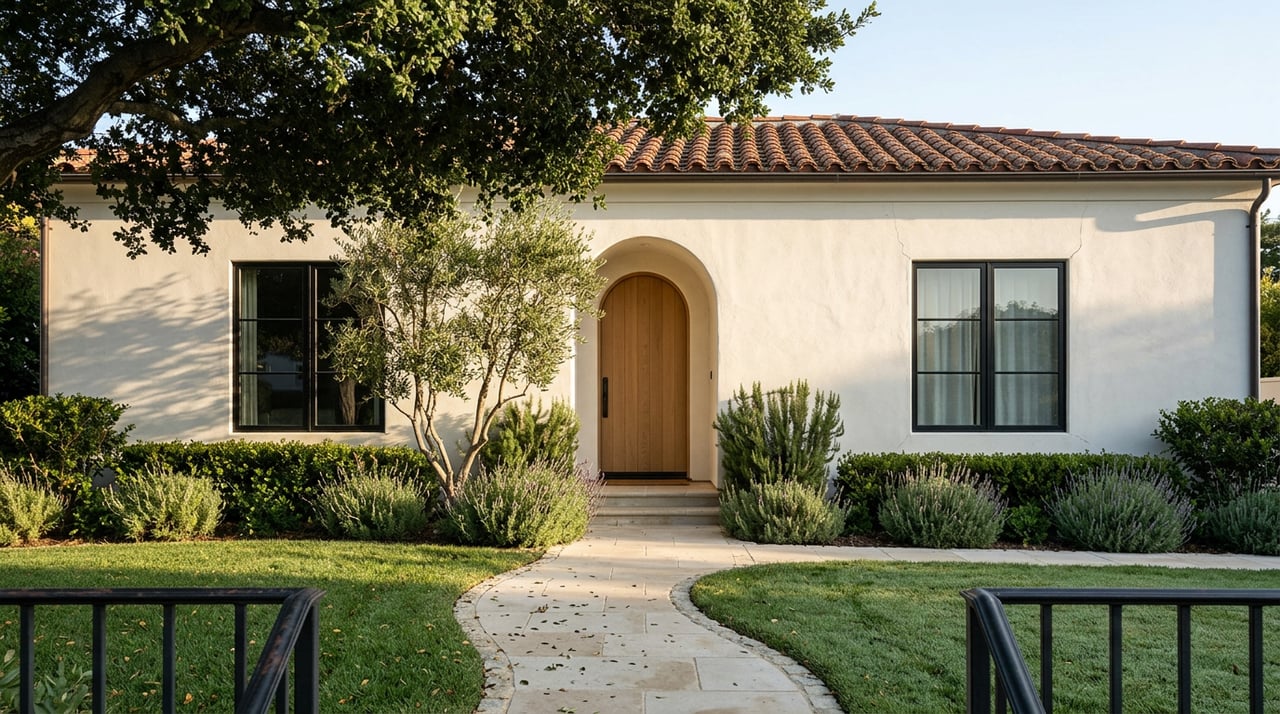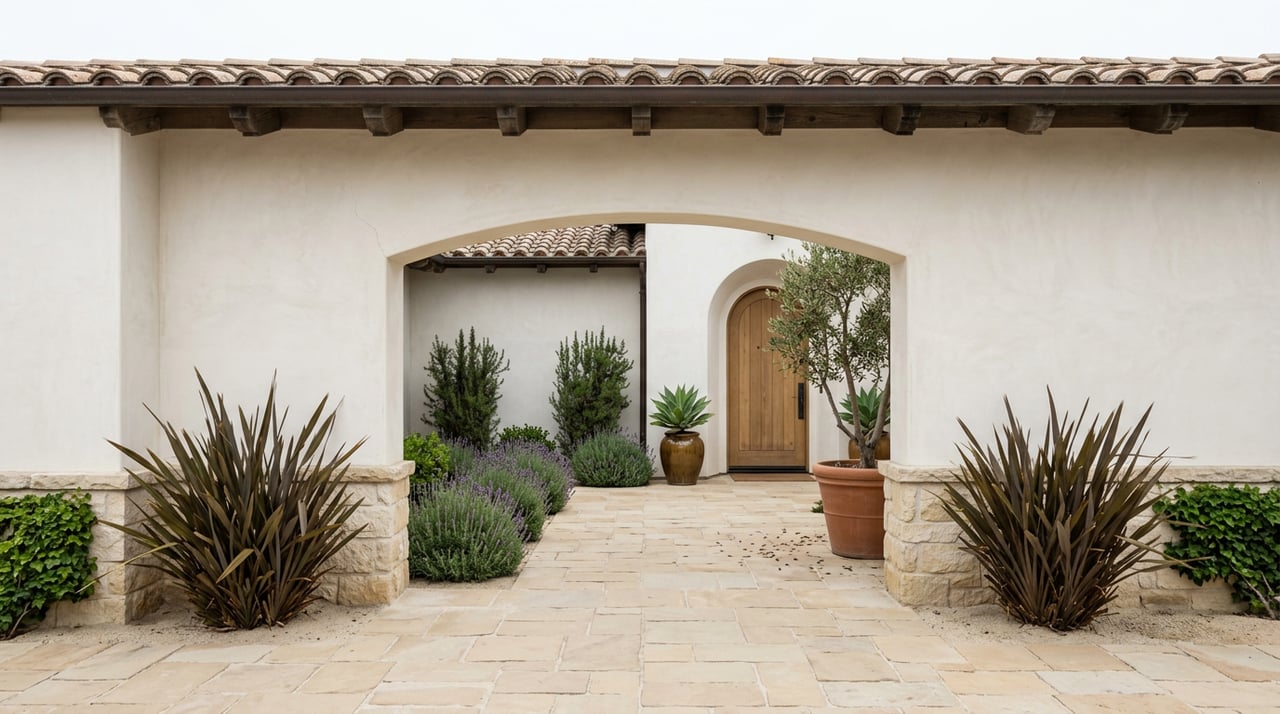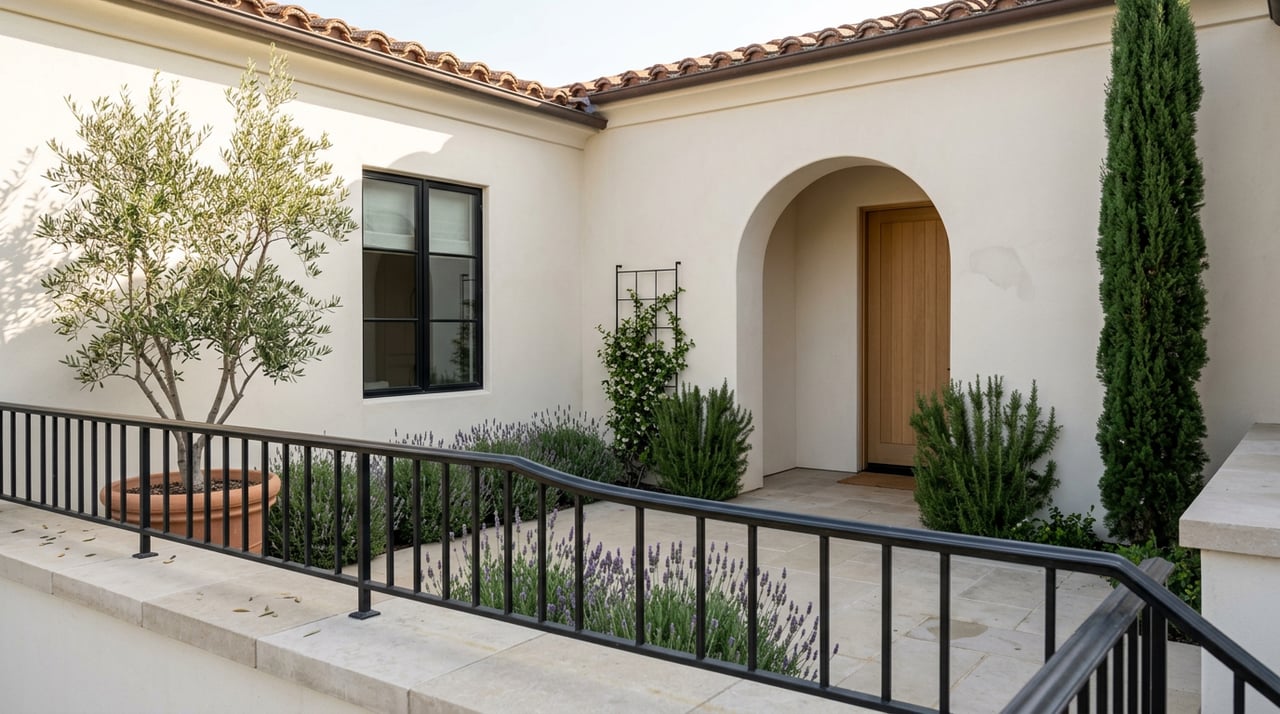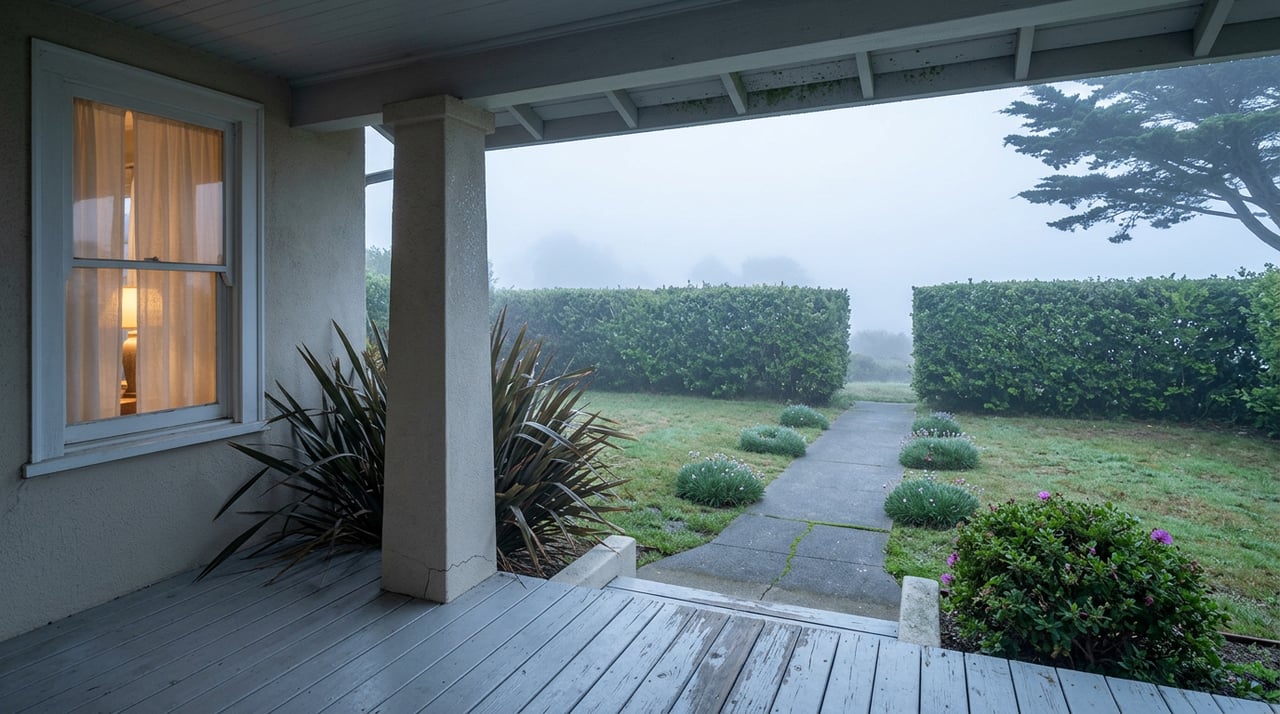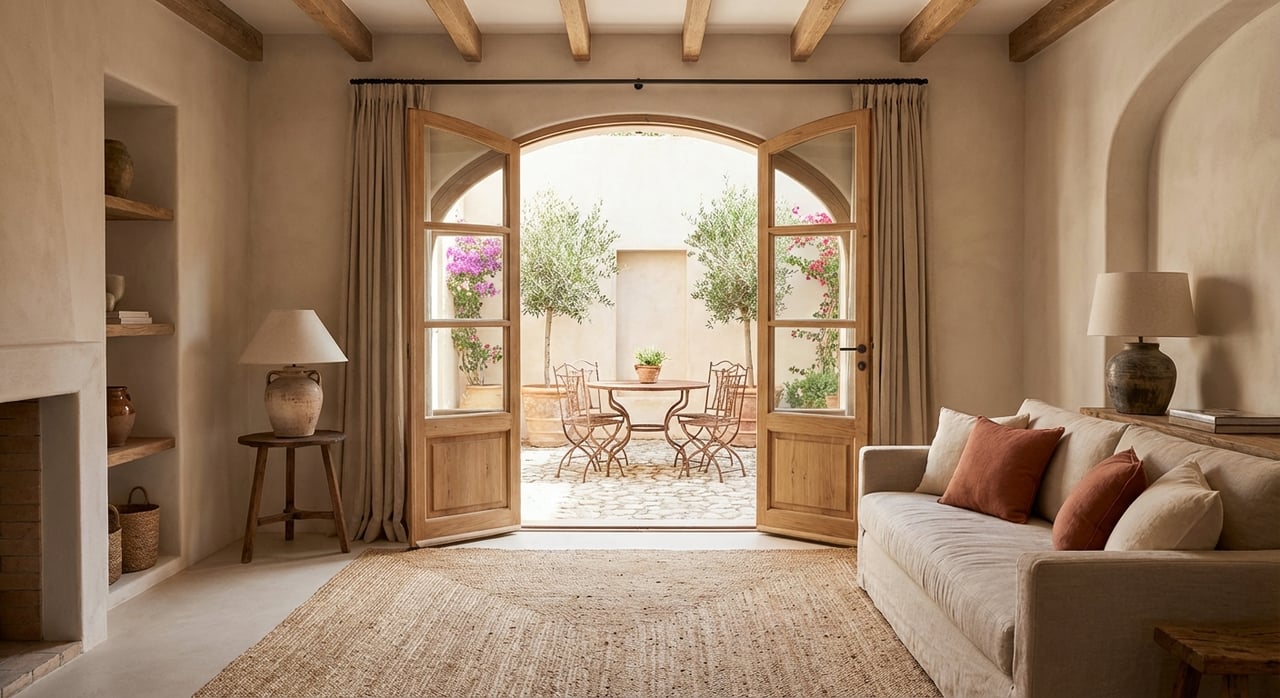
What does a normal Tuesday feel like when the ocean is your neighbor? In Monterey’s coastal neighborhoods, your day might start with a walk along the bay, a quick stop for groceries, and a sunset ride on the trail. If you’re weighing where to live, you want a clear picture of daily rhythms, commute options, and home styles. This guide breaks it down so you can match your lifestyle to the right Monterey pocket. Let’s dive in.
Monterey at a glance
Monterey is a compact city with 15 named neighborhoods across a little over eight square miles. The City’s official list and map make it easy to zoom in by street and area when you’re shortlisting. You can review boundaries on the City’s Neighborhoods & Housing page.
The Monterey Bay Coastal Recreation Trail runs about 18 miles along the waterfront and acts like an outdoor main street. Many locals use it daily for walks, bike rides, and short commutes. See details and rules on the Monterey Bay Coastal Recreation Trail page.
Market snapshots for the 93940 ZIP often show a median sale price in the low seven figures, while view properties on the hills can close much higher. Treat these as starting points and plan to confirm current comps before you write your offer.
Neighborhood snapshots
Old Monterey / Downtown
If you want a walk-to-everything routine with historic charm, Old Monterey is a strong fit. You’ll see restored adobes and 19th-century buildings tied to Monterey State Historic Park, plus everyday stops like the library, cafes, and local shops. Expect more foot traffic near the waterfront and seasonal visitor activity.
Housing includes small-lot single-family homes, some historic adobes, and a mix of condos and multi-unit buildings. Daily life here rewards walkers and people who like a lively street scene.
New Monterey / Cannery Row / Fisherman’s Wharf
This is the classic waterfront experience. You’re close to the Aquarium, restaurants, kayak launches, and the coastal trail, which keeps the area active and outdoorsy. The uphill residential blocks feel more local than the tourist core.
Many homes here are condos or smaller single-family properties. You’ll likely trade yard size for walkability and views. If quiet evenings are a must, focus on streets a bit removed from the main corridors.
Del Monte / North Fremont / Del Monte Grove / Villa Del Monte
These residential pockets put everyday errands within easy reach. You’re near parks like El Estero and Del Monte Beach, plus the regional retail hub at Del Monte Center. Browse store options on the Del Monte Center directory, and check park hours and locations on the City’s Parks & Beaches page.
Homes tend to be mid-size single-family properties, including post-war ranch styles and some duplexes. Many buyers choose these areas for practical access to shopping, services, and schools.
Skyline Ridge / Skyline Forest / Aguajito Oaks / Deer Flats
On the hills above town, you’ll find quieter streets, more privacy, and bay or treetop views. Daily life feels suburban and less visitor-heavy, with longer drives down to downtown depending on your exact street.
Homes are typically larger single-family properties with garages and private yards. Expect higher price points tied to lot size and views. If you want space for gardening, hobbies, or pets, these neighborhoods often top the list.
Near Presidio, Naval Postgraduate School, and DLI
Neighborhoods around the Presidio of Monterey, the Naval Postgraduate School, and the Defense Language Institute serve a steady mix of long-term residents and people on temporary assignments. That means local services are tuned to both routines and transitions. Learn more about NPS on the Naval Postgraduate School site.
Expect a mix of small single-family homes and rentals. Proximity to campus or base facilities can be a daily-time saver for many households.
Home styles you’ll see
Historic adobes and Monterey Colonial
In and around Old Town, historic adobes and Monterey Colonial architecture set a distinct tone. Day to day, you’ll notice intimate yards, narrow sidewalks, and pedestrian-first streets near the Monterey State Historic Park.
Victorians, Craftsman, and mid-century ranch
Across older residential pockets, you’ll see wood-frame details, porches, and mature trees. Many buyers appreciate the character and established feel these homes bring to everyday life.
Condos near the waterfront and downtown
Closer to Cannery Row and the Wharf, condos and small multi-unit buildings are common. The tradeoff is clear: less private outdoor space in exchange for views, restaurants, and the trail right outside your door.
Everyday infrastructure
Getting around
Public transit is straightforward. Monterey-Salinas Transit runs local and regional routes, plus a seasonal Monterey Trolley that serves the Aquarium, Wharf, and downtown. See routes and schedules on the MST route list.
If you drive, Highway 1 connects the peninsula’s coastal towns, while State Route 68 is a key east-west link toward Salinas and US-101. Many residents blend short drives with trail biking and walking for errands along the waterfront corridor.
Essentials and errands
For weekly shopping, the Del Monte Center directory lists grocery and retail anchors along with dining and services. You’ll also find smaller markets and pharmacies spread through the downtown and Munras corridors.
Healthcare and travel
The Community Hospital of the Monterey Peninsula is a major care hub for emergency and specialty services. Get location details on the CHOMP campus page.
For flights, Monterey Regional Airport offers convenient service to select hubs. Check updates and airlines on the Monterey Regional Airport site.
Schools and learning
City neighborhoods are served by local public schools, with Monterey High School as the main comprehensive high school in town. For higher education and continuing-ed, Monterey Peninsula College offers a local campus and support services. Contact MPC via the MPC admissions and hours page.
Outdoor life
Living by the bay means kayak launches, tidepools, and wildlife watching are part of normal weekends. The Monterey Bay National Marine Sanctuary frames many of these activities and provides guidance on conservation and recreation.
Quick shortlist by lifestyle
- Walkable and restaurant-first: Prioritize Old Monterey or the hillside blocks right above Cannery Row for easy dining and the trail. Expect more condos and smaller lots.
- Waterfront and recreation-centric: Focus near the Wharf, Cannery Row, and coastal-trail access. Look for units with views or direct trail access.
- Errands-first and mid-range budgets: Del Monte, Villa Del Monte, and Del Monte Grove balance home size with short drives to shopping, parks, and schools.
- Views, space, and long-term hold: Skyline Forest, Aguajito Oaks, Deer Flats, and nearby hills offer larger lots and privacy, often at higher price points.
Day-to-day tradeoffs to consider
- Visitor seasons: Parking and foot traffic increase near the Wharf, downtown, and Cannery Row. It helps to test-drive the area on a weekend and a weekday.
- Noise and light: Homes on or near commercial corridors can experience more evening activity. Check street-by-street at different times of day.
- Topography: Hillside streets can be steeper and narrower. Confirm parking, driveway angles, and access before you commit.
- Trail and parks: The coastal trail and popular parks can draw weekend crowds. Review City info on the Coastal Recreation Trail and Parks & Beaches to plan your routine.
How an agent helps you compare areas
- Pulls current neighborhood comps and inventory so you see price trends by block, not just city medians.
- Plans side-by-side tours of a waterfront option and a hillside option so you can compare light, noise, and parking in real time.
- Clarifies commute times for your workplace and MST routes if you plan to use transit.
- Explains HOA rules, rental restrictions, and coastal-zone considerations that affect remodeling.
- Coordinates remote showings and trusted vendor referrals if you are relocating from out of area.
Ready to explore?
If Monterey’s coastal lifestyle is calling, get a shortlist tailored to your commute, budget, and daily rhythm. Reach out to Homes by Henson to compare neighborhoods, schedule focused tours, and see current comps that fit your plan.
FAQs
What is the daily commute like in Monterey’s coastal neighborhoods?
- Many residents blend short drives with MST bus routes and the seasonal trolley downtown. Review options on the MST route list.
Where do you shop for groceries and essentials in Monterey?
- Del Monte Center anchors regional shopping and weekly errands; see stores and services on the Del Monte Center directory.
How walkable are Old Monterey and Cannery Row areas?
- Old Monterey and the blocks above Cannery Row are among the most walkable, with restaurants, the trail, and attractions close by. Check the Coastal Recreation Trail page for route info.
What home types are common near the waterfront vs. the hills?
- Near the waterfront and downtown, you’ll see more condos and small-lot homes. On the hills, larger single-family homes with yards and views are more common.
What healthcare and airport options serve Monterey residents?
- The Community Hospital of the Monterey Peninsula handles major care, and Monterey Regional Airport offers flights to select hubs. See CHOMP and the airport site for details.