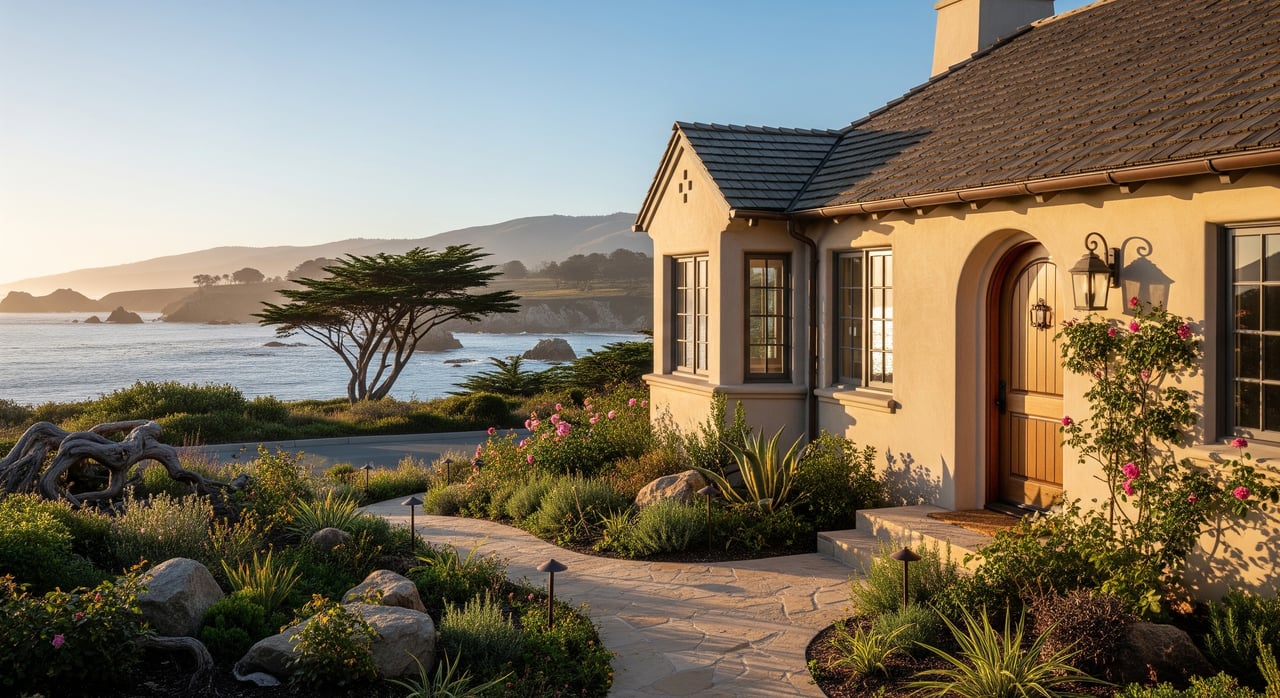
Ever wonder what it feels like to live where storybook cottages meet the Pacific and nearly everything you need is a stroll away? If you are weighing a move or a second home on the Monterey Peninsula, Carmel-by-the-Sea offers a rare blend of coastal beauty, arts, and village convenience. You will find charm at every turn, plus practical details to consider like housing types, renovation rules, and seasonal tourism. This guide walks you through daily life, homes, costs, and tradeoffs so you can decide if the Carmel lifestyle fits your goals. Let’s dive in.
Carmel-by-the-Sea at a glance
Carmel-by-the-Sea is a small, affluent coastal city with a population in the low thousands. The village core is compact and highly walkable, with short blocks and an emphasis on independent shops and restaurants. Arts and culture shape the town identity, and the calendar stays active with galleries, theater, and community events. Tourism ebbs and flows throughout the year, with busier summer and holiday periods and quieter weekdays in shoulder seasons.
Daily rhythms and lifestyle
Walkable village life
If you enjoy leaving the car at home, you will appreciate how many errands can happen on foot near the village core. Streets are narrow and pedestrian oriented, and you can move from a morning coffee to a gallery to the beach within minutes. Many residents choose homes close to the center to maximize walkability. Parking can be tighter near downtown, so plan for busy weekends when visitors arrive.
Arts, events, and culture
Carmel has long attracted artists, performers, and patrons. You will find frequent gallery openings, live performances at venues like the Sunset Center, and recurring festivals that bring energy to the village. The cultural calendar shifts through the year, so it is easy to sample something new without leaving town. If you value a creative community, you will feel at home.
Beaches and the outdoors
Carmel Beach is a daily ritual for many residents, from morning walks to sunset picnics. Coastal trails and scenic drives around the Monterey Peninsula invite tidepooling, birding, and occasional surfing. The climate is coastal Mediterranean, with mild temperatures most of the year and a marine layer that can bring fog to mornings and evenings. Microclimates change quickly across short distances, so a sunny afternoon a mile inland can feel very different than the shoreline.
Homes and neighborhood character
Storybook cottages and more
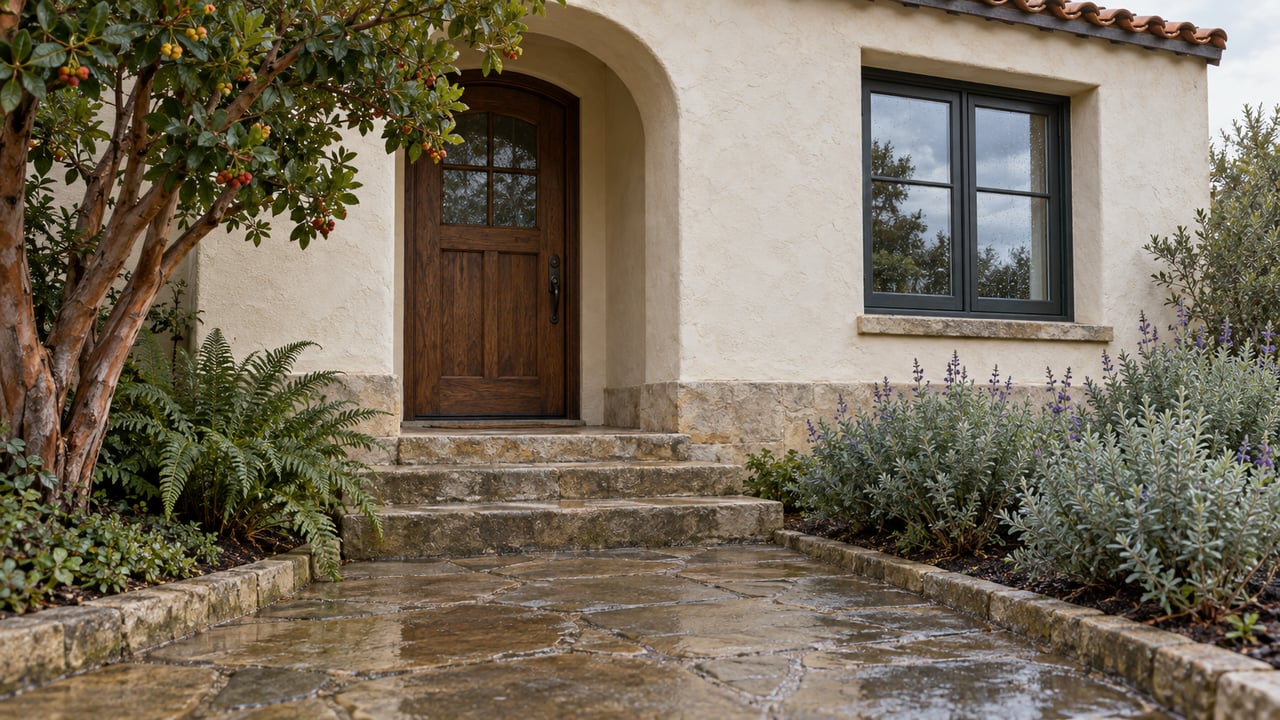
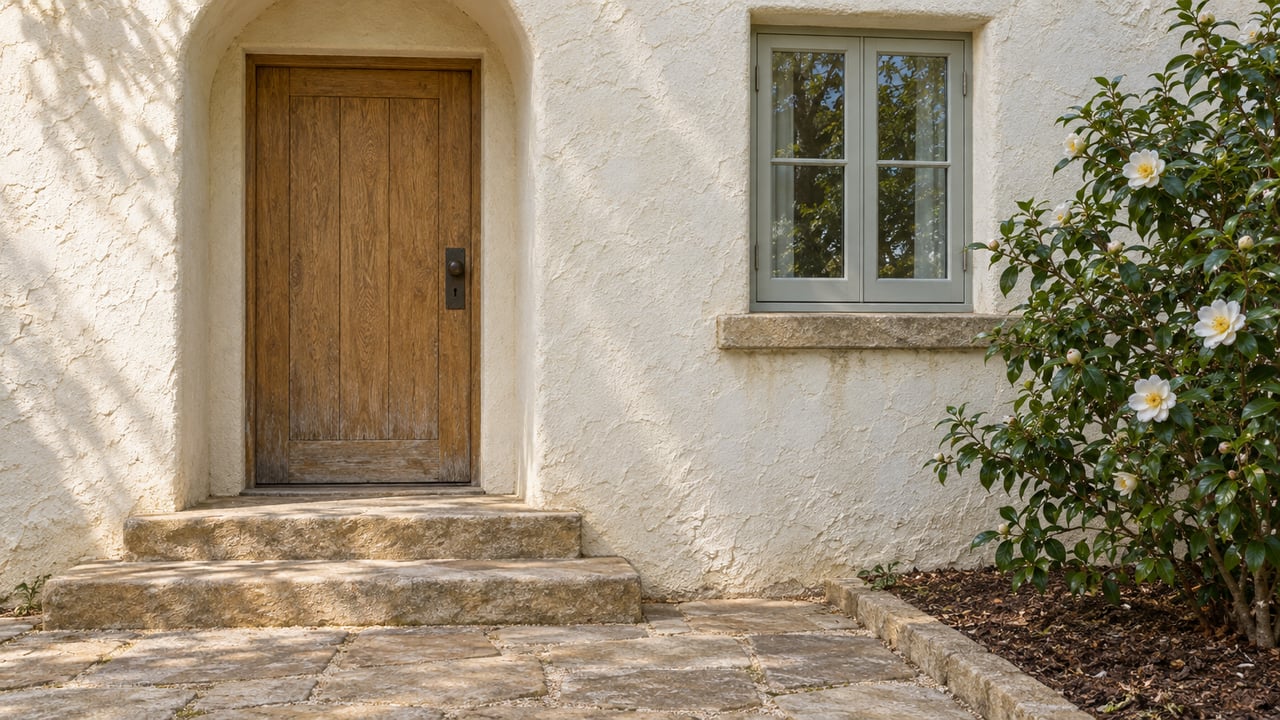
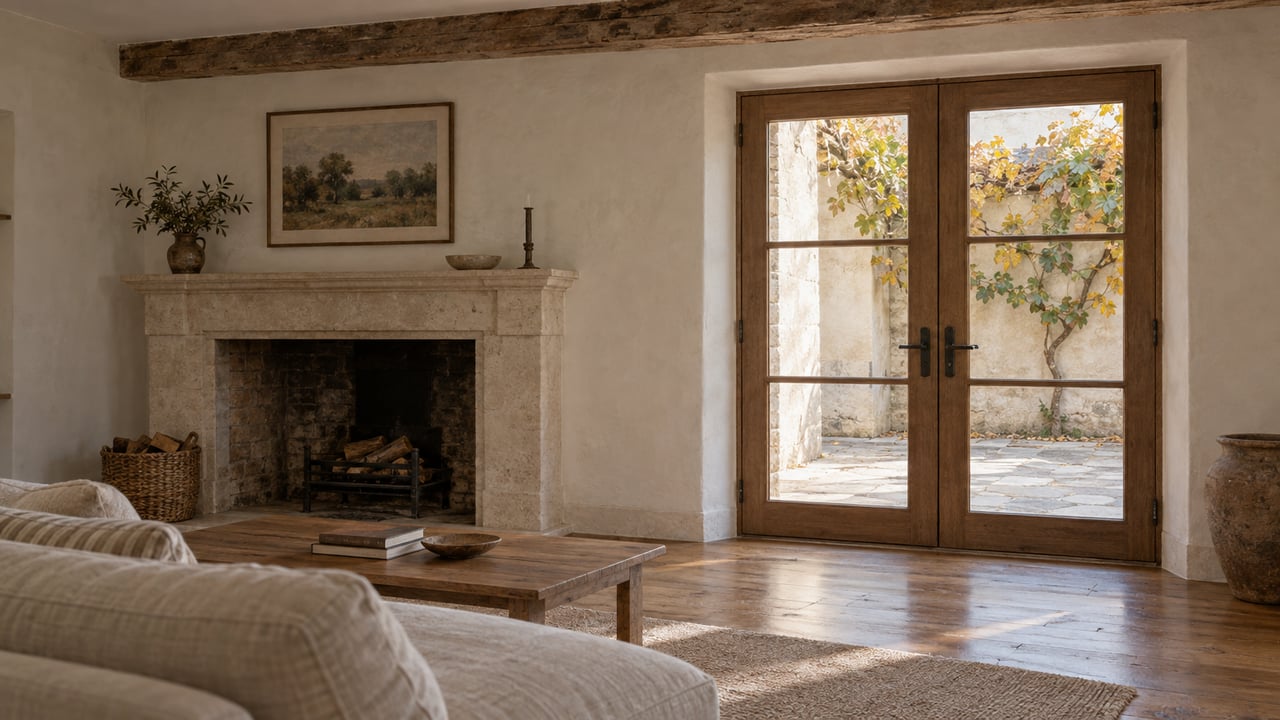
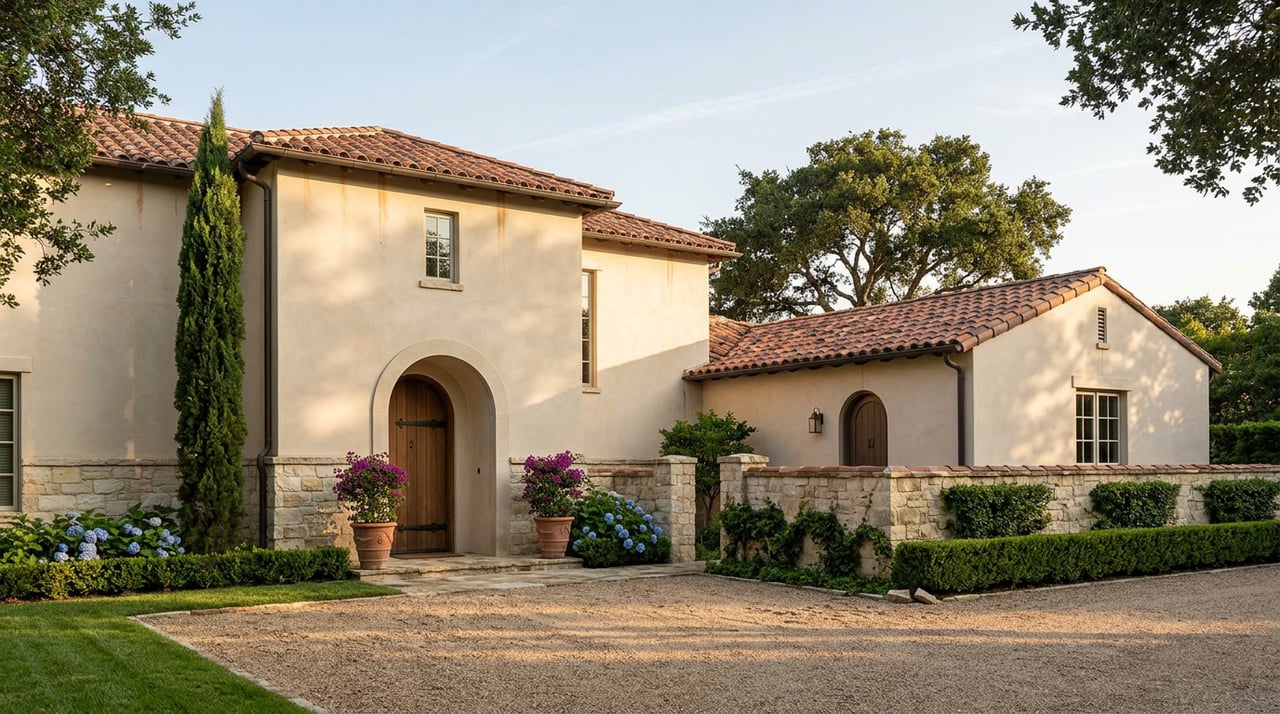
Carmel’s architecture is a major part of its charm. You will see character cottages often nicknamed fairy-tale homes, classic Craftsman and bungalows, Spanish and Mediterranean influences, and select mid-century and modern properties. Historic Hugh Comstock–style cottages stand out for their whimsical details. Many homes are older and have been remodeled over time, which adds variety to each street.
Lot sizes and parking
Lots near the village tend to be small and intimate, which supports the pedestrian scale of the neighborhood. Garages and off-street parking can be limited, especially close to downtown. On the edges of the city and nearby areas outside city limits, lots can be larger and properties more spread out. If parking and outdoor space are priorities, you may want to look just beyond the center.
Condos and low-maintenance options
Detached single-family homes are the most common property type, though you will find some condominiums and townhome-style options. Multi-unit buildings are uncommon inside the village. Downsizers and second-home buyers often prefer smaller cottages or condos that keep maintenance light. Inventory for these options can be limited, so it helps to watch the market closely.
What to expect from the market
Carmel has historically seen low inventory and high demand, which tends to support premium pricing. Homes closer to the beach or with ocean views often command higher prices. Days on market and price trends can shift with seasonality and broader economic conditions. Before you make an offer or list your home, review current metrics like median price and inventory with your agent and the local MLS.
Practical living essentials
Getting around and transit
Within the village, walking and bicycling are common for daily needs. For regional errands and commuting, most residents rely on a car. Monterey-Salinas Transit offers bus service around the Peninsula, which can be useful for select routes and schedules. San Jose and San Francisco are multi-hour drives, so plan ahead for airport trips or big-city outings.
Groceries and services
You will find small markets, specialty food shops, and independent grocers in the village. Larger supermarkets and big-box options are a short drive away in nearby Monterey and surrounding communities. Local services are robust for a town of this size, and you can handle most daily needs without long drives. If you prefer larger-format shopping, it is convenient but outside the village core.
Schools and healthcare
Carmel has a local elementary district, with students feeding into regional middle and high schools. Attendance boundaries and programs can change, so verify details for the property you are considering. Hospitals and clinics are located on the Monterey Peninsula and in Salinas, and emergency services are provided by city and county agencies. If you have specific healthcare needs, confirm the nearest providers and specialists before you buy.
Costs, taxes, and insurance
Carmel’s overall cost of living is higher than the state average and substantially above the U.S. average. Housing costs are the primary driver, and ongoing maintenance for coastal homes can add to monthly budgets. Property taxes follow the typical California structure, with a base 1 percent rate plus local assessments or parcel taxes that vary by property. Coastal exposure can influence insurance availability and premiums, especially for wind, flood, and erosion risk, so review options early in your search.
Regulations and coastal factors
Design review and preservation
To protect village character, Carmel uses detailed zoning, design review, and historic preservation rules. Exterior changes, additions, and new construction often require approvals with defined timelines. If you are planning a remodel, build your schedule around design review and engage professionals who know the local process. This helps align your vision with what is allowed on the lot.
Coastal zones and permits
Homes along bluffs or near the shoreline may fall within coastal zones. Projects in these areas can trigger additional permits and reviews, including coordination for coastal hazards. Request disclosures for sea-level rise, bluff stability, and flood risk, then consult specialists as needed. A coastal-savvy team will help you scope inspections and timeline contingencies.
Short-term rentals
Like many coastal towns, Carmel has policies that regulate short-term rentals. If rental income is part of your plan, confirm current city rules and permit requirements before you assume availability. Regulations and enforcement can change over time. Rely on up-to-date local guidance to understand what is possible for a specific address.
Is Carmel the right fit for you
Carmel works well if you want a walkable, arts-rich village with daily access to the ocean. Many full-time residents enjoy the small-town feel, while second-home owners appreciate easy weekend escapes and low-maintenance properties. If you want larger lots, a wider mix of suburban amenities, or a different microclimate, nearby communities like Monterey, Pacific Grove, or Carmel Valley may be a better match. Comparing lifestyle tradeoffs across the Peninsula can clarify your decision.
Buyer checklist for Carmel-by-the-Sea
- Choose how close you want to be to the village core for walkability and parking needs.
- Confirm whether the property is connected to sewer or uses a septic system.
- Review design review history and understand what changes are allowed on the lot.
- Request coastal hazard disclosures for beachside or bluff-adjacent properties.
- Get specialist inspections for older homes, including electrical, plumbing, foundation, and moisture.
- Obtain insurance quotes early to understand coverage and premium options.
- Verify school attendance boundaries and commute plans that fit your routine.
Selling considerations specific to Carmel
- Presentation matters. Character homes and cottages shine with thoughtful staging and high-quality photography.
- Pricing strategy should reflect close-in walkability, lot size, and any ocean view premium.
- Pre-list improvements can deliver returns, especially in kitchens, baths, and curb appeal.
- Ensure permits are finalized for past work, and prepare a clear package of disclosures.
Guidance from a local team
Buying or selling in Carmel is part art and part process. You benefit from a team that understands design review, coastal considerations, and how to position a cottage or view home for today’s buyers. With Compass marketing systems, premium staging and media, and sensitive support for estate or out-of-area situations, you can move forward with confidence. If you are thinking about a move, reach out to Homes by Henson for local guidance and a clear plan.
FAQs
What is daily life like in Carmel-by-the-Sea?
- You get a walkable village, active arts scene, and beach access, with a calmer pace on weekdays and more activity during peak tourist seasons.
Is a car necessary if I live near the village?
- Many residents walk for daily errands near downtown, but a car is helpful for regional travel, bigger shopping trips, and commuting around the Peninsula.
What home styles will I find in Carmel?
- You will see character cottages, Craftsman and bungalows, Spanish or Mediterranean homes, plus select mid-century and modern properties.
How does tourism affect everyday living?
- Expect more foot traffic, parking demand, and restaurant lines during summer and holidays, with quieter periods in between.
Are there options for downsizing or second homes?
- Yes, smaller cottages and some condominiums offer low-maintenance living, though inventory is limited and moves quickly.
What should I know about remodeling in Carmel?
- Most exterior work and new construction go through design review, so plan timelines around approvals and hire professionals with local experience.
How expensive is housing compared to nearby areas?
- Carmel is historically more expensive due to low inventory and strong demand, with premiums for walkable locations and ocean views.