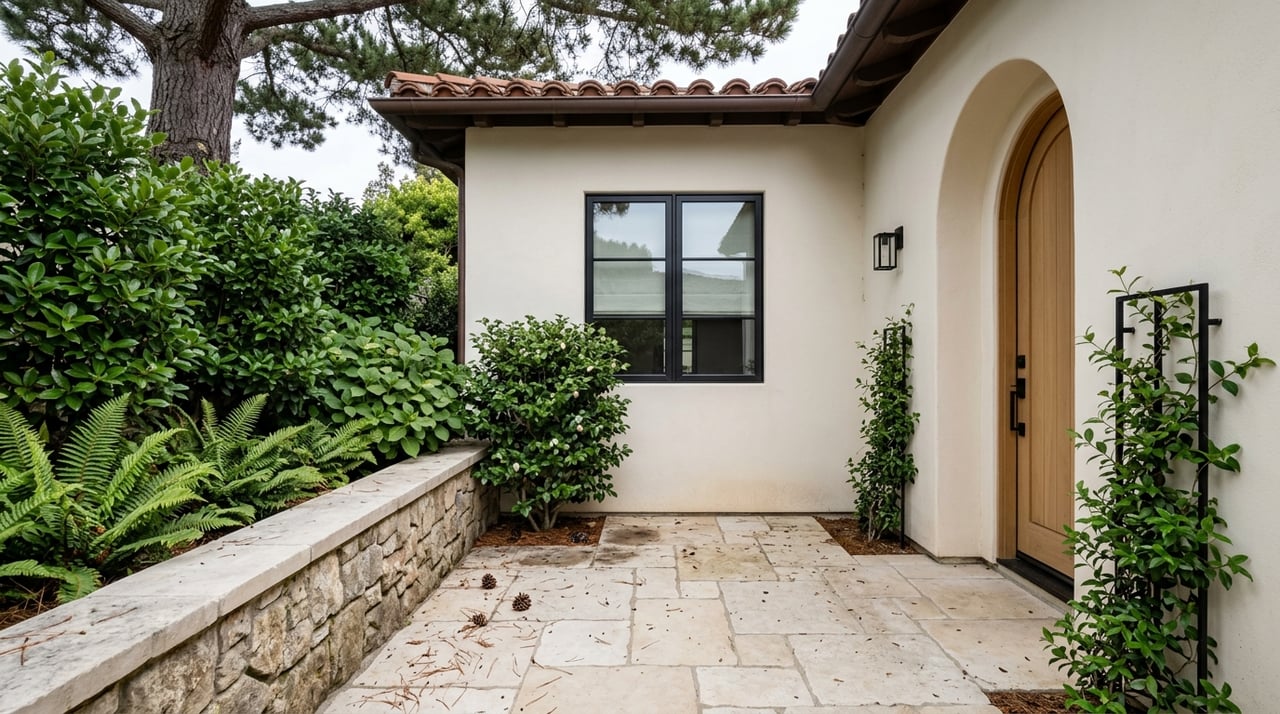
Wondering why two homes in Carmel-by-the-Sea can feel completely different even when they are only minutes apart? That is one of the biggest surprises for buyers here. If you are comparing cottages near the beach, village-core homes, and wooded hillside parcels, understanding Carmel’s micro-areas can help you make a smarter decision about lifestyle, upkeep, and long-term fit. Let’s dive in.
Why micro-areas matter in Carmel
Carmel-by-the-Sea is shaped by both the coastline and the forested hills around it. The city says it is entirely within the California coastal zone, and local land use is guided by the General Plan and Local Coastal Program. That means location affects more than your view or walk to town. It can also affect what changes may be possible later.
This is also a market where small differences can have a big impact. As of June 2026, Realtor.com showed 26 homes for sale in Carmel-by-the-Sea, with a median listing price of $3,545,000, median days on market of 39, and homes selling at about 100% of asking price. The city’s 2023-2031 Housing Element also says about 51% of housing units are seasonal, recreational, or occasional-use, which helps explain why inventory can feel tight.
Start with the parcel, not the label
One of the most important things to know is that Carmel is not defined by a simple consumer neighborhood map. The city relies on zoning districts, block-and-lot maps, APNs, and permit history when reviewing property questions. In other words, two homes marketed under the same area name may have very different lot constraints, permit histories, or review requirements.
That is why buyers should think parcel first. A charming listing description is helpful, but it will not tell you as much as the property’s lot size, slope, parking setup, tree conditions, and permit record. In Carmel, those details often shape daily livability and future flexibility.
Beach-close areas and ocean access
Carmel Point basics
If you want to be close to the shoreline, Carmel Point is often the clearest comparison point. The city’s historic context notes that Point Loeb, now Carmel Point, was part of an early subdivision at the southern edge of town and extended to the shoreline. Realtor.com’s June 2026 snapshot showed 9 homes for sale there.
For many buyers, the appeal is obvious. You may get stronger beach access, an easy connection to the coast, and in some cases better view potential. At the same time, the ocean-close setting can bring more exposure to coastal conditions, so it is wise to look closely at the specific parcel and structure.
What to weigh near the coast
Beach-close living can be wonderful, but it is not only about scenery. Because Carmel is entirely within the coastal zone, citywide coastal rules matter even if a home is not directly on the sand. The Local Coastal Program includes shoreline management, storm-water standards, residential design guidelines, and significant-tree evaluation.
If you are buying with future remodeling in mind, that extra layer of review should be part of your decision from the start. A beautiful location does not always mean easy changes later. In Carmel, location and process often go hand in hand.
Village-core streets and walkability
Living near Ocean Avenue
Some buyers want to be close to the center of daily activity. The village core is the most pedestrian-oriented part of Carmel, which makes it appealing if you value convenience and a true walkable lifestyle. Being able to reach shops, restaurants, and the heart of town on foot can be a major plus.
The tradeoff is that the same convenience can bring more visitor activity, parking demand, and traffic pressure. Carmel’s PACT program is aimed at reducing congestion, improving on-street parking, improving pedestrian and bicyclist safety, and limiting spillover parking into neighborhoods. That tells you a lot about what daily conditions can be like in the busiest parts of town.
Convenience versus privacy
For some buyers, village-core access is worth every bit of the extra activity. For others, a quieter street just a little farther out feels more comfortable. The right fit depends on how you plan to use the home and how much you value privacy, easy parking, and a calmer pace.
When you tour these areas, do not just visit once. Try different times of day so you can get a more realistic sense of parking, traffic, and foot activity. In Carmel, a home’s setting can feel very different on a weekday morning than on a busy weekend afternoon.
Wooded pockets and hillside homes
Carmel Woods character
Carmel’s wooded interior areas offer a different kind of appeal. The city’s forest and climate planning highlight Monterey pine, coast live oak, cypress, aging trees, wildfire risk, and development pressure, all of which shape how these areas feel and function. Carmel Woods, which opened for development in the 1920s, had 4 homes for sale in Realtor.com’s June 2026 snapshot.
Buyers often look at Carmel Woods as a tradeoff between privacy and beach adjacency. You may get more canopy, a more tucked-away feel, and a stronger sense of living in the village forest setting Carmel is known for. If that atmosphere matters to you, wooded pockets can be especially compelling.
Hatton Fields and sloped parcels
Hatton Fields is another useful comparison point. A city RFP describes it as bounded by Valley Way, Highway 1, the city boundary, and Rio Road, with rolling terrain and mature oaks, redwoods, and Monterey pines. Realtor.com showed 5 homes for sale there in June 2026.
This kind of area reminds buyers to look beyond the house itself. In sloped, tree-dominant pockets, lot shape and topography can matter just as much as square footage. Access, drainage, usable outdoor space, and how the home sits on the lot all deserve close attention.
The Eighty Acres reference
The historic interior tract known as the Eighty Acres is another helpful frame of reference. The city identifies it as Addition #5, generally bounded by Forest Road, Eleventh and Twelfth Avenues, Junipero Avenue, and Ocean Avenue. It shows that Carmel’s central areas are not all beach-edge or suburban in feel.
For buyers, this matters because some central interior streets offer a mix of location convenience and forest character. That can be a strong middle ground if you want access to town without giving up the tucked-in feel that draws so many people to Carmel.
What affects value and usability most
Lot size and buildability
In Carmel, lot size is not just a line item on a listing sheet. The city’s R-1 base floor area handout says sites under 4,000 square feet are limited to base floor area equal to 45% of the lot. A 4,000-square-foot site allows 1,800 square feet of base floor area, and garages and carports count as floor area.
Slope can reduce that allowance further. The same handout says slope above 30% lowers the allowed base floor area. So if you are comparing two homes with similar asking prices, the more important question may be which parcel gives you more flexibility over time.
Remodel potential and design review
The city says a Design Study Application is required for changes in site coverage or landscaping, as well as any addition or demolition of floor area. Carmel’s residential design guidelines are intended to support human-scale design, preserve forest character, and keep projects sensitive to neighboring properties.
That means a home’s future potential can be as important as its current size and finish level. If you think you may want to expand, rework outdoor space, or make major updates, ask early about what kinds of review may apply. Waiting until after closing can lead to surprises.
Parking and access
Parking carries unusual weight in Carmel. The city’s R-1 handout says each required parking space reserves 200 square feet of base floor area and 2,200 cubic feet of exterior volume. That is a meaningful planning factor in a market with many compact lots and cottage-style properties.
Practical access also matters in day-to-day living. A beautiful street may feel very different when you are unloading groceries, hosting guests, or trying to find parking during a busy period. Buyers should pay close attention to how a property works, not just how it photographs.
Trees, climate, and upkeep
Carmel ranges from sea level to 500 feet and slopes gently from the bay toward Highway 1, according to the city’s climate plan. The city also notes exposure to stronger storms, wildfire risk, sea-level rise, drought, and higher temperatures. In wooded areas, those factors can affect maintenance needs and long-term planning.
The forest-management plan also points to aging trees and development pressure while the city works to protect Monterey pine, coast live oak, and cypress. For buyers, that often means more questions about defensible space, drainage, and tree maintenance. A wooded setting can be beautiful, but it comes with responsibilities.
One rule many buyers overlook
If you are thinking about occasional-use flexibility or future income strategies, this is important to know. The city says home rentals of less than 30 days are not allowed in the residential district. That rule can shape whether a property matches your goals.
It is best to factor that in before you fall in love with a home. In a market with many seasonal or occasional-use properties, your intended use should always be part of the buying conversation.
A smart touring checklist
When you are comparing Carmel micro-areas, a simple checklist can keep you focused on what really matters.
- How far is the true walk to Ocean Avenue, the beach, or the village core?
- How difficult is parking at different times of day?
- What are the lot size and slope, and how much of the buildable envelope is already used?
- Are there significant trees, historic-resource flags, or coastal-review issues?
- If remodeling matters, how much of the work may require Design Study or Historic Resources review?
The city says property files and permit history are digitized, and it notes that properties have traditionally been described by block-and-lot references or landmarks, with APNs used for utilities and permits. That makes parcel-level research especially important when you are comparing one Carmel home to another.
The right Carmel tradeoff for you
The best way to think about Carmel-by-the-Sea is not simply whether you want to buy here. It is which version of Carmel fits your life best. Beach-close streets can maximize ocean access and walkability, village-core locations can deliver convenience, and wooded pockets can offer more privacy and canopy.
In a market with limited inventory and premium pricing, those differences matter. The right home is not just the one with the best photos or the most famous street. It is the one whose parcel, location, and rules line up with how you want to live.
If you want help comparing Carmel-by-the-Sea micro-areas at the parcel level, the team at Homes by Henson can help you look beyond the listing and make a confident, informed decision.
FAQs
What should buyers know about Carmel-by-the-Sea neighborhood names?
- Buyer-facing names like Carmel Point, Carmel Woods, Hatton Fields, and Downtown Carmel are useful for search, but the city regulates property by parcel, zoning district, APN, and coastal program rather than a single neighborhood map.
What should buyers know about remodel potential in Carmel-by-the-Sea?
- Buyers should review lot size, slope, parking requirements, permit history, and possible Design Study or coastal review because future changes may be more limited than the listing suggests.
What should buyers know about parking in Carmel-by-the-Sea?
- Parking can be a major quality-of-life factor because the city has ongoing congestion and spillover parking concerns, and required parking spaces also affect how much floor area may be available on a parcel.
What should buyers know about wooded lots in Carmel-by-the-Sea?
- Wooded lots can offer privacy and canopy, but buyers should also ask about drainage, defensible space, tree maintenance, and how topography affects daily use and future plans.
What should buyers know about short-term rentals in Carmel-by-the-Sea?
- The city says home rentals of less than 30 days are not allowed in the residential district, so buyers should confirm that their intended use aligns with local rules.