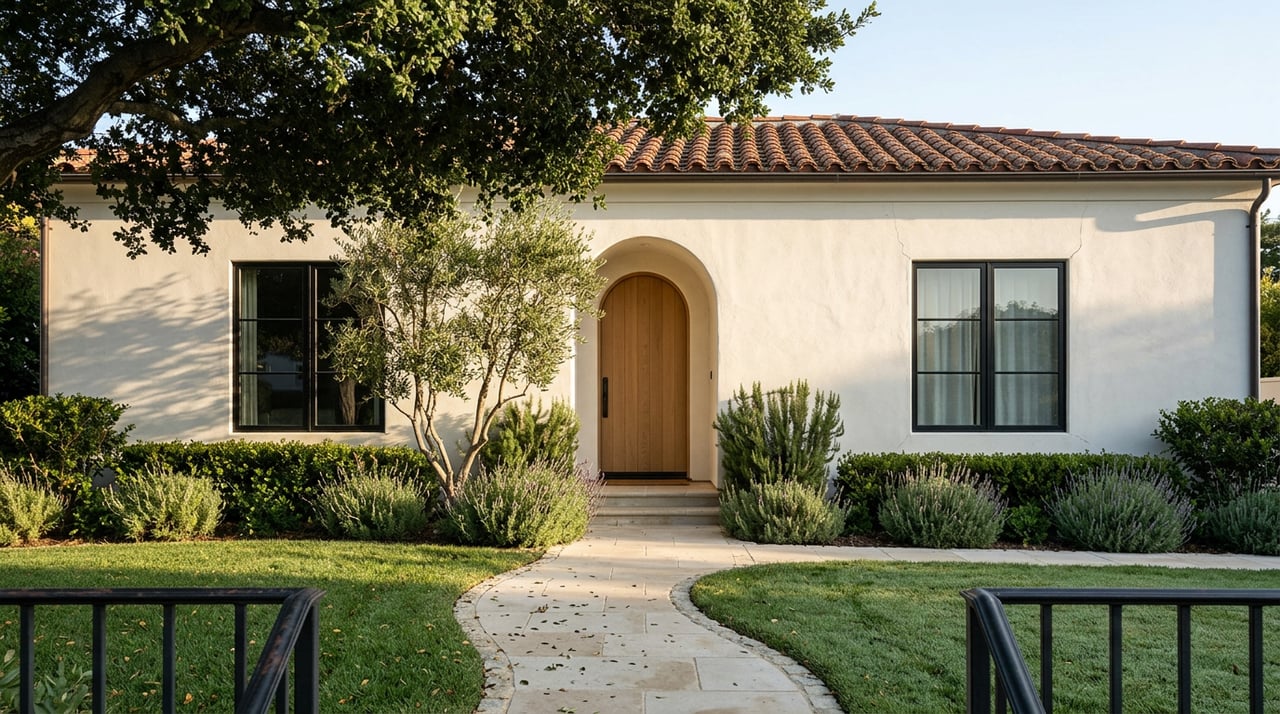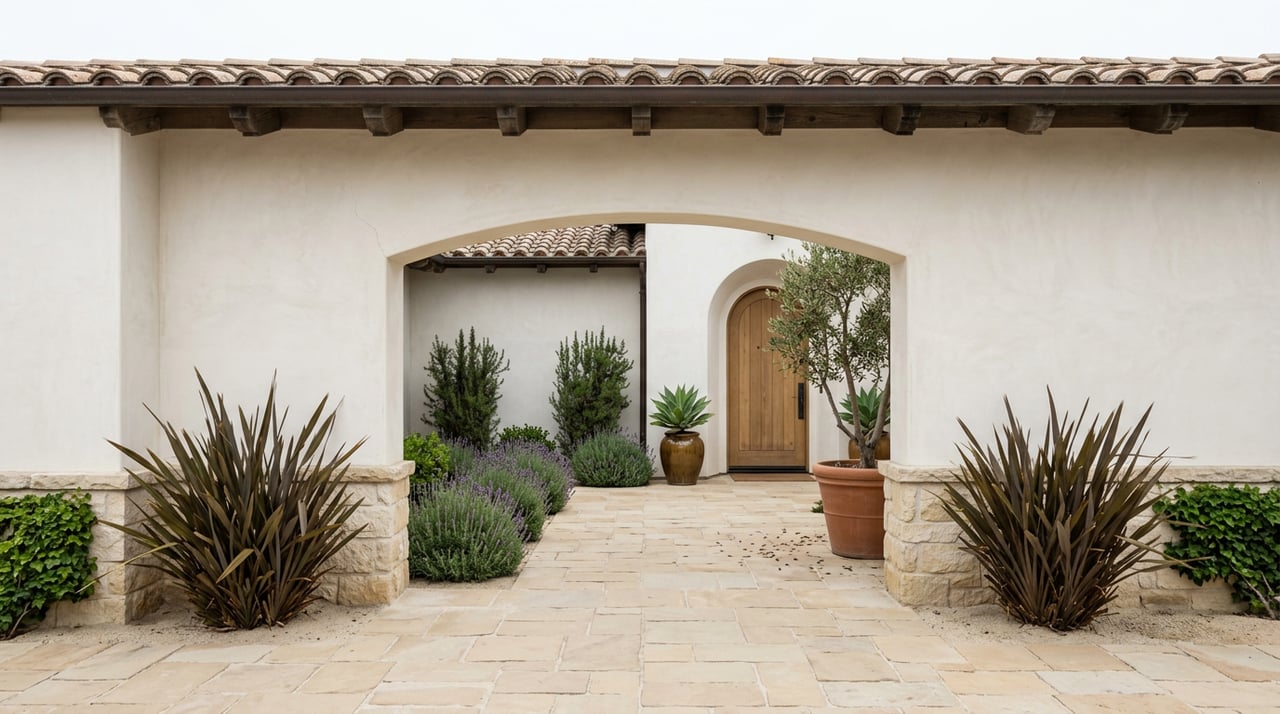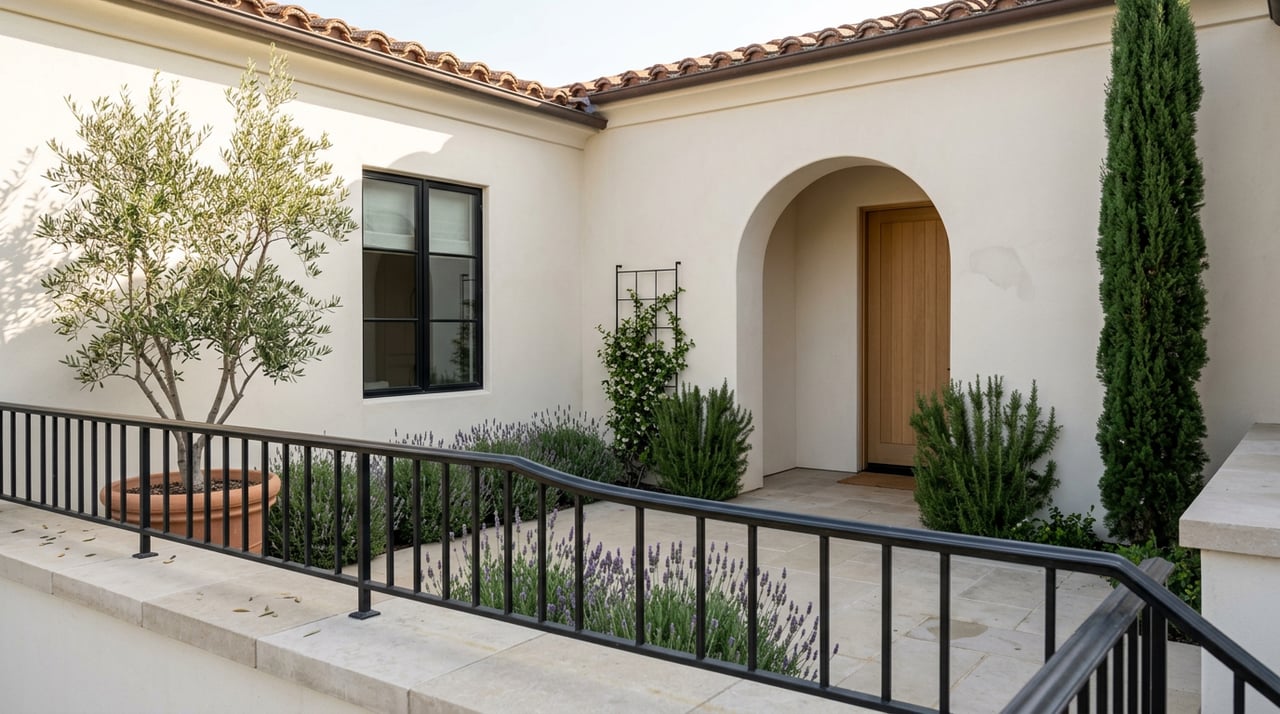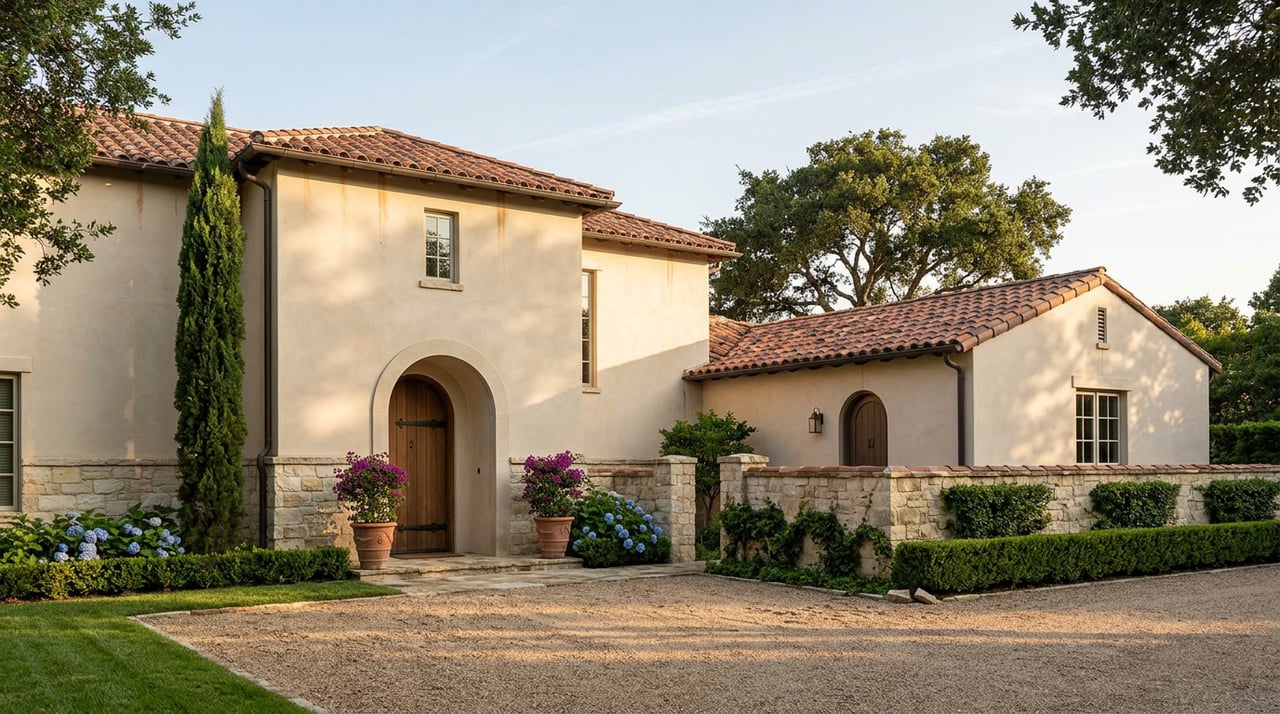
A couple puts an offer on a Pebble Beach home with plans to convert the detached garage into an accessory dwelling unit for aging parents. The contractor is lined up, the county's ADU rules are increasingly permissive, and the design is modest by any measure. Then the water allocation request goes to the Monterey Peninsula Water Management District, and the answer comes back short. The parcel simply doesn't carry enough banked water credit to support the new fixtures, and under the state order still governing this district, that kind of increased use at an existing address is exactly what isn't being approved right now.
This isn't a hypothetical edge case. It's the ordinary experience of buying property almost anywhere in Pebble Beach, and it's the piece of the market that portal listings and median-price headlines never mention. If you're comparing Pebble Beach to other spots on the Monterey Peninsula, the number that actually shapes your options isn't the sale price. It's a fixture count tied to a water order that's been in place since 2009.
The 2009 Order That Still Runs the Show
California American Water, the utility serving the Peninsula, has operated under a state cease-and-desist order since 2009 that bans new water connections and blocks any increase in water use at existing addresses tied to a change in zoning or use. The order came out of decades of overpumping the Carmel River, and it was designed to let the river and its steelhead population recover. It has largely worked for the river. It has also meant that for close to two decades, adding a bathroom, converting a garage to an accessory dwelling unit, or building on a vacant lot in Pebble Beach runs into a hard wall that has nothing to do with money or design.
The Monterey Peninsula Water Management District, known locally as MPWMD, oversees water use across Peninsula communities that include Carmel-by-the-Sea, Monterey, Pacific Grove, Del Rey Oaks, Sand City, and Seaside, along with unincorporated areas such as Pebble Beach. Every parcel in that territory carries what local water rules refer to as a fixture allowance, a running tally of how much water the property is entitled to use. That tally, not the buyer's budget or the county's zoning code, decides what can be built.
What a Water Credit Actually Is, and Why It Follows the Lot, Not the Owner
Water credits attach to the parcel itself. They're generated when a property owner swaps in water-efficient fixtures or permanently removes plumbing, including through demolition, and the credits are time-limited to ten years once documented. That means two homes of similar size and price on the same street in Pebble Beach can have completely different renovation ceilings depending on what a previous owner did with the plumbing decades ago. One buyer inherits enough banked credit to finish a kitchen remodel with room to spare. The next buyer, a few doors down, discovers the parcel is tapped out and the addition they assumed was routine simply can't happen without new water rights that the district isn't handing out.
There's one narrow exception worth knowing if you're house hunting with a fixer-upper in mind. MPWMD rules include a second bathroom addition protocol, adopted under the district's Rule 24, that lets certain single-bathroom homes add a second bathroom without additional water credit. Outside cases like that, the general rule holds: expanding water use in an existing home in this district is close to impossible without banked credit on the specific parcel you're buying. For a new accessory dwelling unit specifically, the county's own water allocation policy caps usage at 0.12 acre-feet per year, the equivalent of a 12-fixture-unit allowance for interior fixtures alone, regardless of how the unit is designed or sized.
This is also why contractors working in Del Monte Forest, the unincorporated area that includes Pebble Beach, build water verification into the front end of every project rather than treating it as paperwork to handle later. Confirming water availability and credit balance with MPWMD before drawing up plans is now a standard early step for anyone doing residential work in the area, alongside separate checks for coastal zone status and county permitting, since Pebble Beach addresses sit in unincorporated Monterey County rather than inside a city with its own building department.
Why the Median Price You See Depends on Which Site You're Looking At
If you've been comparing Pebble Beach to other Peninsula towns using the headline numbers on real estate search sites, you've probably noticed the figures don't agree with each other, sometimes by a wide margin. That's not a data error. It's a symptom of the same underlying constraint.
Pebble Beach records a genuinely small number of transactions in any given month. One tracking source reported a median sale price of $4.0 million in March 2026, up 44.6 percent year over year, based on 19 homes sold that month. Another source, reporting on April 2026, put the median sale price for single-family homes closer to $2.22 million, down 20.4 percent year over year, with only 5 closed sales for the month and a median of 173 days on market. A third put the median list price at $4.29 million as of September 2026. A fourth estimated the broader median home value at roughly $2.66 million based on 126 transactions over the trailing year.
None of these sources are wrong exactly. They're measuring a market where a single $20 million estate sale or a single $900,000 cottage sale can swing a monthly median by double digits, because the sample size is that thin. When water credits limit which homes can even be meaningfully renovated or expanded, inventory options narrow further, and the properties that do sell each month carry outsized weight in whatever number gets published. If you're using a Pebble Beach median price to budget a purchase, treat it as a rough signal rather than a fixed target, and ask about the specific property's water and renovation history before you anchor on any number you've seen online.
The Hearing That Could Change the Math
This is where the story stops being a static fact about local rules and starts being something to watch closely if you're timing a purchase or a sale.
On October 24, 2025, MPWMD submitted an application to the State Water Resources Control Board asking to modify the cease-and-desist order, specifically proposing to lift the condition that bars new water connections and use increases tied to zoning or use changes. The State Water Board issued a formal Notice of Hearing on the request on June 19, 2026, later amended on July 9, 2026 to update the schedule. Then on August 19, 2026, California American Water submitted written testimony supporting a temporary suspension of the moratorium, citing progress on Aquifer Storage and Recovery and continued work on a desalination project as reasons the Peninsula's water security has improved enough to justify easing the restriction, while urging caution to protect the Carmel River during future droughts.
"California American Water shares the District's goal of a thriving Peninsula," said Sarah Leeper, president of California American Water, in the company's public statement, pointing to progress on aquifer storage and the desalination project as reasons the utility now supports a temporary suspension while keeping safeguards for the Carmel River in place.
The State Water Board has scheduled a public comment session for November 5, 2026. That date matters for anyone weighing a Pebble Beach purchase right now. A modification to the order wouldn't retroactively hand every parcel unlimited water, and Cal-Am's own testimony frames any change as temporary and conditional rather than a full repeal. But it would be the first real shift in this rule since 2016, and it could eventually loosen the fixture-credit bottleneck that has shaped what's buildable in this market for close to two decades. If you're under contract or close to it, this is worth a direct conversation with your agent about what the timeline means for your specific renovation plans, not something to assume will resolve itself before your escrow closes.
What This Means If You're Weighing Pebble Beach Against Other Peninsula Towns
Every city and community inside the MPWMD service territory operates under the same water constraint, so Carmel-by-the-Sea, Monterey, Pacific Grove, and Del Rey Oaks all face versions of this issue too. Pebble Beach carries an extra layer on top of it. Because Del Monte Forest is unincorporated, there's no city hall or mayor handling local land use decisions here. Land use runs through Monterey County government instead, which has spent years reviewing the Pebble Beach Company's own Del Monte Forest Preservation and Development Plan, a coastal land use planning process layered on top of the standard county permitting that any renovation or new build has to clear.
None of this makes Pebble Beach a difficult place to own a home. It makes it a place where the usual real estate math needs an extra line item: what does this specific parcel's water credit balance actually allow, and does that match what you're planning to do with the property. That question belongs in every offer conversation here, right alongside price and inspection contingencies.
If you're comparing Pebble Beach to somewhere else on the Peninsula, or trying to figure out what a specific property's water history means for your plans, Homes by Henson has spent years walking clients through exactly this kind of local detail. Book a free home valuation and let's talk through what a property's water credits, renovation potential, and real market position actually look like before you make an offer.