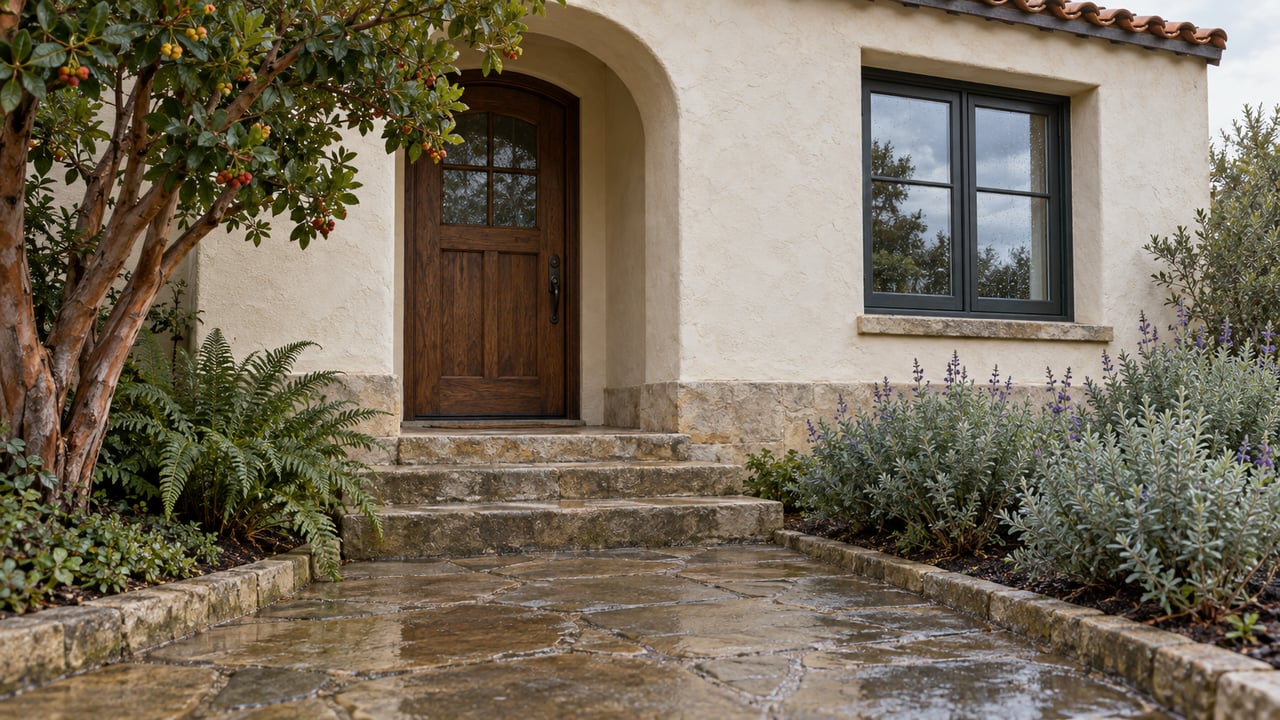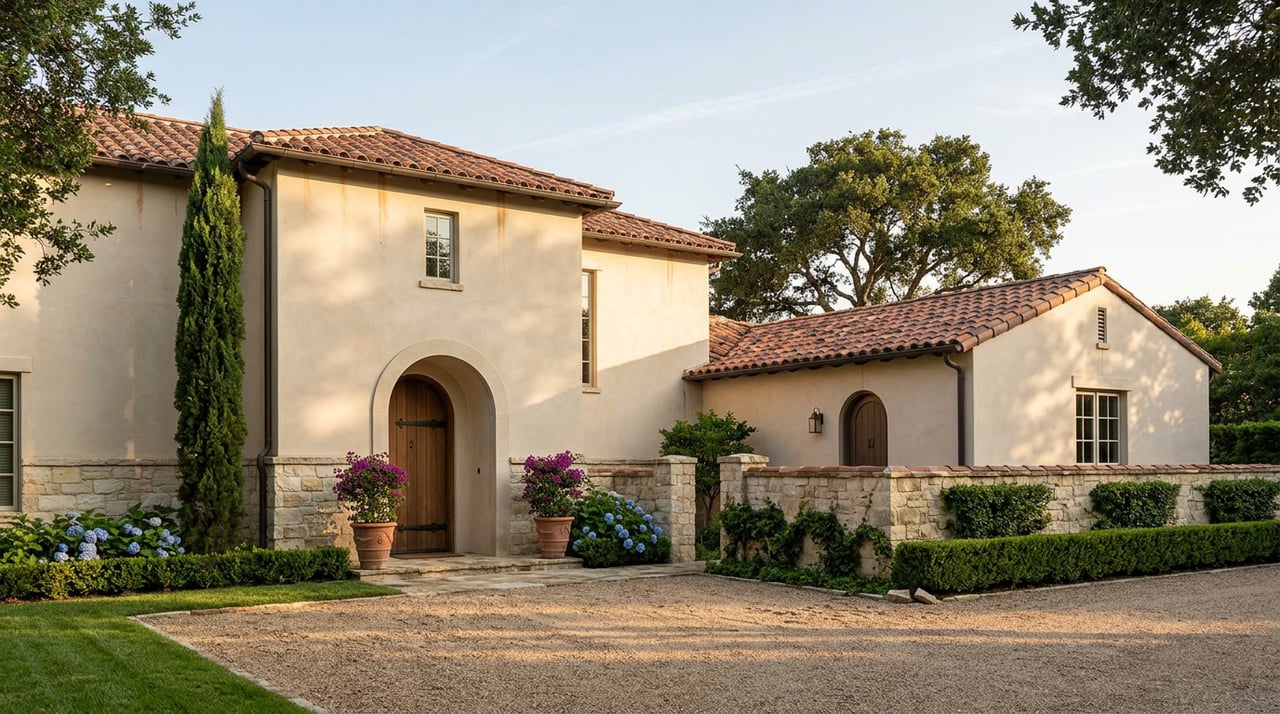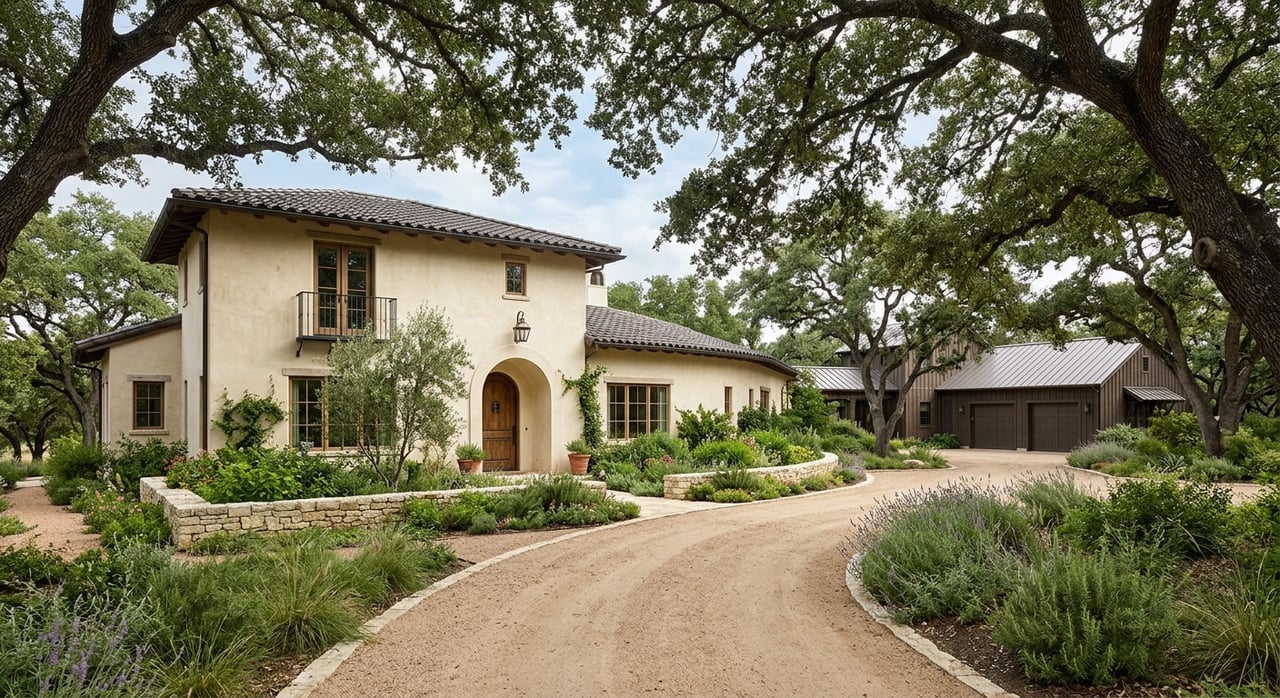
Dreaming about more space in Prunedale? Acreage and rural homes can give you room to spread out, a little more privacy, and a property that feels very different from a standard subdivision home. But in 93907, buying land with a house on it usually means looking beyond the front door. You need to understand the parcel, the systems, and the rules that come with rural ownership. This guide will help you focus on what matters most so you can buy with more clarity and confidence. Let’s dive in.
Why Prunedale Appeals to Acreage Buyers
Prunedale is part of Monterey County’s unincorporated North County area, and it stretches across both sides of US-101 in hilly terrain with a rural-residential feel and local commercial services. That mix is a big reason buyers are drawn here. You can get more land and a more rural setting while still keeping regional access in view.
Road access matters more than many buyers expect when shopping for rural property. Monterey County has active road work in the area, including the 2025 roundabout project at Castroville Boulevard and San Miguel Canyon Road, which highlights how commute routes and day-to-day travel can shape your experience in Prunedale. Before you fall in love with a home, think about how you will actually get in and out during a normal week.
What the Prunedale Market Looks Like
As of early 2026, public market trackers showed Prunedale with a median home sale price of about $880,000 on Redfin’s Prunedale housing market page. Realtor.com also showed a median home list price of about $905,000, 51 active listings, and a median list price per square foot of about $526.
Those figures come from different platforms with different methods, so they should not be treated as identical measurements. Still, together they suggest that Prunedale remains a relatively high-priced rural market. If you are shopping for acreage here, it helps to compare the overall market and then look closely at what each property actually offers beyond just the house itself.
Acreage Sizes Can Vary Widely
One of the biggest differences in Prunedale is inventory variety. Current searchable area listings have ranged from about 0.99 acre to 100 acres, with examples including 5-acre, 10.62-acre, and 21-acre parcels. That means "acreage" in Prunedale can describe very different buying situations.
A smaller parcel may offer a rural feel with less maintenance, while a larger parcel can bring more possibilities and more responsibility. Some local listings also include multiple structures or guest units, which can add value and complexity. When you compare homes, try to separate the appeal of the house from the realities of managing the land around it.
The Parcel Is Part of the Product
With rural homes, the land is not just extra square footage outside. Monterey County site-plan guidance shows that buyers should pay attention to property boundaries, topography, vegetation, easements, wells, roads, septic tank and leach-field locations, floodplain, slopes, streams, wetlands, and tree-removal areas.
That is a long list, but it points to a simple truth: two homes with similar square footage can be very different purchases if the parcels function differently. A property with easy access, usable ground, and known utility systems may feel much more practical than one with steep slopes or unclear site conditions. In rural real estate, the parcel often drives value and future options.
Why Price Per Acre Can Mislead
It is tempting to assume that more acres automatically means more value. In practice, land value is much more nuanced. USDA land-value research notes that factors such as soil quality, rural amenity value, and proximity to urban areas influence land values.
Monterey County also makes clear that property use depends on zoning, the General Plan, water availability, septic feasibility, slope, and environmentally sensitive habitats. So, usable acreage with good access and functional systems may command much stronger value than larger acreage with major constraints. If you are comparing rural homes in Prunedale, look at usable land, not just total land.
Zoning and Use Come First
Before you get too far into a purchase, confirm what the property is actually allowed to do. Monterey County states that land use in unincorporated areas is primarily controlled by zoning and the General Plan, and that most structures require construction permits, while many projects also need planning permits. The county also notes that permit timing can range from same-day issuance for simple work to many months for more complex discretionary projects.
That matters if you hope to add structures, modify existing improvements, or make long-term changes to the site. A property may look like it has plenty of room, but room alone does not guarantee that future plans are feasible. In rural areas, early planning review can save you time, money, and disappointment.
North County Subdivision Limits Matter
If part of your strategy involves future lot splits or subdivision potential, pay especially close attention in Prunedale. County guidance says subdivision feasibility depends on zoning, water quantity and quality, wastewater capacity, soils, and slope. It also states that, pending water-constraint resolution, subdivisions are not allowed for parcels in the North County Area Plan and North County Land Use Plan areas.
For many buyers, this is an important reality check. Buying acreage in Prunedale can still be a smart long-term move, but you should not assume that a larger parcel can be divided later. Confirm the rules for the specific property before building that possibility into your budget or expectations.
Wells Need Real Due Diligence
If the home relies on a private well, do not treat that as a small item on your checklist. Monterey County requires well construction, repair, and destruction work to be completed by a licensed C-57 contractor. The State Water Board also advises private domestic well owners to test water about once a year, and California does not regulate water quality in most private domestic wells.
That means you will usually need to rely on testing, maintenance records, and professional interpretation. Monterey County’s Environmental Health well guidance and its ELAP-certified laboratory can help buyers understand available domestic water testing options. If you are under contract on a rural home, water quality, well condition, and system history deserve serious attention.
Septic Systems Deserve Equal Focus
Septic due diligence is just as important as water due diligence. Monterey County’s OWTS program says operating permits for certain alternative systems are required within 30 days of title transfer. The county also explains that operating permits help verify system performance and ongoing maintenance.
For buyers, that means it is wise to request pumping reports, inspection records, permit history, and any repair or upgrade history before removing contingencies. You can review the county’s onsite wastewater treatment system guidance to better understand how these systems are regulated. A beautiful property can become much less attractive if the septic system has unresolved issues.
Fire Risk Is Part of Rural Ownership
Rural living often comes with added responsibility around wildfire safety. Monterey County and CAL FIRE updated 2025 Fire Hazard Severity Zone maps, which classify areas as moderate, high, or very high hazard based on factors like fuel, slope, and fire weather. The county’s wildfire page states that about 80% of Monterey County land falls into high, very high, or extreme fire threat categories, and it identifies North Monterey County and Aromas as high-risk fire areas.
For acreage buyers in Prunedale, this makes defensible space and home hardening especially important. You can review Monterey County’s 2025 local responsibility area fire hazard information as part of your research. Fire conditions do not mean you should avoid rural property, but they do mean you should understand the maintenance and mitigation work that may come with it.
Drainage, Slope, and Access Matter Too
Some of the most expensive rural-property issues are not obvious during a short showing. Monterey County’s Environmental Services staff handle grading, erosion control, stormwater, and floodplain mapping, and county site-plan guidance specifically calls for attention to floodplain, slopes, streams, wetlands, and access features.
This is why professional inspections matter so much on acreage purchases. You may want experienced inspectors or contractors who understand rural water flow, access roads, grading, and defensible-space work. A parcel that looks peaceful in dry weather can behave very differently during heavy rain.
Watch for Williamson Act Restrictions
If you are considering a larger parcel, ask whether it is enrolled in Monterey County’s Williamson Act or Farmland Security Zone programs. According to the county assessor, these programs are agricultural preservation tools that can reduce taxable value in exchange for continued agricultural use.
That can be helpful in some situations, but the restrictions and renewal terms matter. You can learn more from Monterey County’s Williamson Act and Farmland Security Zone overview. If a parcel is enrolled, make sure you understand how that status aligns with your plans for the property.
A Practical Buying Checklist
If you are shopping for acreage and rural homes in Prunedale, keep your process focused on a few core questions:
- What does zoning allow on this specific parcel?
- Are all existing structures and improvements properly permitted?
- What do the well records, water tests, and maintenance records show?
- What is the condition and permit status of the septic system?
- How usable is the land based on slope, drainage, access, and site layout?
- Is the property in a moderate, high, or very high fire hazard area?
- Are there easements, wetlands, floodplain concerns, or other site constraints?
- Is the parcel subject to Williamson Act or similar restrictions?
- If future changes matter to you, what is the realistic timeline for planning or permits?
Acreage homes can be incredibly rewarding to own, but they usually require more investigation than a typical residential purchase. The right property is not just attractive on paper. It is a property that matches your goals, budget, and comfort level with rural systems and land stewardship.
When you want clear guidance and a calm, local perspective, Homes by Henson can help you navigate Prunedale’s rural market with the detail and care these properties deserve.
FAQs
What should you check first when buying acreage in Prunedale?
- Start with zoning, permitted improvements, water source, septic status, access, and wildfire or drainage conditions for the specific parcel.
How large are acreage properties in Prunedale?
- Current searchable Prunedale-area listings have ranged from about 0.99 acre to 100 acres, so property size can vary widely.
Do private wells in Prunedale need water testing?
- Yes. The State Water Board advises private domestic well owners to test water about once a year, and buyers should review testing and maintenance records during due diligence.
What should buyers know about septic systems in Prunedale rural homes?
- Buyers should request pumping reports, inspection records, permit history, and repair or upgrade history, especially because certain alternative systems require operating permits after title transfer.
Can you subdivide acreage in Prunedale?
- Do not assume you can. Monterey County says subdivision feasibility depends on several factors, and pending water-constraint resolution, subdivisions are not allowed in North County Area Plan and North County Land Use Plan areas.
Are wildfire risks important for Prunedale acreage buyers?
- Yes. Monterey County identifies North Monterey County as a high-risk fire area, so buyers should review fire hazard maps and understand defensible-space and home-hardening needs.